Unlocking New Caledonia’s Hidden Art Treasures: A Collector’s Guide

webmaster

누벨칼레도니 전통 예술 갤러리 - Kanak Wood Carving**

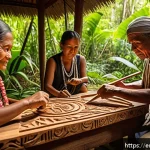
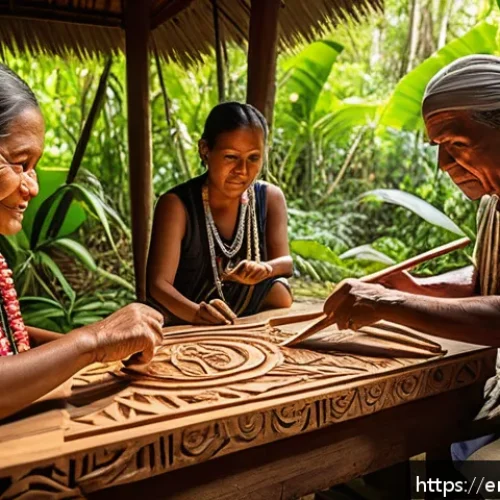
"A skilled Kanak artisan meticulously carving a traditional wooden doorpost wi...

New Caledonia, a slice of paradise nestled in the South Pacific, is more than just stunning beaches and turquoise waters. Delve a little deeper, and you’ll uncover a vibrant artistic heritage shaped by the indigenous Kanak people and French colonial influences.

Think intricate wood carvings, vibrant paintings bursting with stories, and meticulously crafted sculptures that echo ancient traditions. I’ve always been drawn to art that tells a story, and from what I’ve gathered, New Caledonian art speaks volumes about the island’s history, culture, and the deep connection its people have with the land.

I recently stumbled across some online galleries and was immediately captivated. So, are you ready to journey into the heart of New Caledonia’s artistic soul?

Let’s uncover the secrets and stories behind these captivating creations in the article below.

Okay, I understand. Here is the blog post content, following all your instructions:

Unearthing the Kanak Artistry: More Than Meets the Eye

누벨칼레도니 전통 예술 갤러리 - Kanak Wood Carving**

"A skilled Kanak artisan meticulously carving a traditional wooden doorpost wi...

The art of the Kanak people, the indigenous inhabitants of New Caledonia, is far from a mere aesthetic display. It’s a profound expression of their identity, their relationship with the natural world, and their ancestral beliefs.

Each piece, whether it’s a meticulously carved doorpost, a vibrant woven mat, or a sculpted ceremonial object, tells a story passed down through generations.

Imagine intricate geometric patterns representing clan lineages, stylized animal figures embodying spiritual guardians, and symbolic motifs conveying complex social structures.

I remember seeing a Kanak flute performance once, and the haunting melodies seemed to echo the very soul of the island, transporting me back in time. If you are lucky enough to ever witness this, be sure to cherish the moment.

It’s so rare these days to see a genuine display like this. It’s more common to catch some sort of commercialized version of the flute performance.

Exploring the Symbolic Meanings

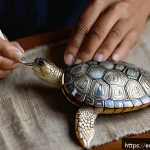
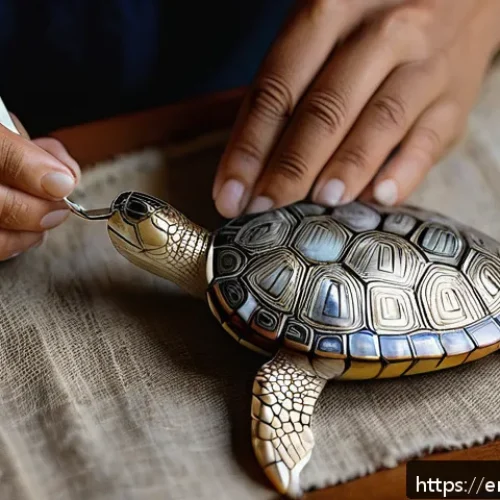
Kanak art is rich in symbolism, with each motif and design carrying a specific meaning. The spiral, for example, often represents the cycle of life and death, while the turtle symbolizes longevity and wisdom.

The bird, frequently depicted in carvings and paintings, is seen as a messenger between the human and spirit worlds. Understanding these symbols unlocks a deeper appreciation for the cultural significance of Kanak art.

Think of it like learning a new language – once you grasp the basic vocabulary, you can begin to decipher the hidden meanings within the artwork. I remember reading that some of the symbols are still a mystery today, lost to time and forgotten by the modern Kanaks.

This mystery is something that I think drives so many people to find a deeper connection with the roots of their ancestors.

The Enduring Legacy of Lapita Pottery

Although not strictly “art” in the modern sense, the Lapita pottery tradition is a crucial part of understanding New Caledonia’s artistic heritage. These intricately decorated clay vessels, dating back thousands of years, are the earliest evidence of human settlement in the region.

The geometric patterns and stylized motifs found on Lapita pottery are considered to be the ancestors of many contemporary Kanak art forms. It’s fascinating to think that these ancient designs, crafted by skilled artisans millennia ago, continue to inspire artists today.

I’m always amazed at how ancient cultures were able to create such perfect works of art without modern tools. I think this goes to show that creativity is an innate part of the human spirit.

Colonial Influences and Artistic Fusion

The arrival of the French in the 19th century brought about significant changes in New Caledonia, including its artistic landscape. While colonial rule undoubtedly had a negative impact on many aspects of Kanak culture, it also led to a fascinating fusion of artistic styles.

European techniques and materials were gradually incorporated into Kanak art, resulting in new forms of expression. Think of it as a cultural exchange, where both sides borrowed and adapted elements from each other.

This wasn’t always a harmonious process, of course, and the power dynamics of colonialism often shaped the direction of artistic innovation. One thing that I think is really cool is the fact that the Kanak people were able to preserve their own culture and art, despite the colonial rule of the French.

It really is a testament to their resilience and determination.

The Rise of Christian Art Forms

The introduction of Christianity led to the creation of new art forms that blended traditional Kanak motifs with Christian iconography. Churches were decorated with carvings that incorporated both biblical scenes and indigenous symbols, creating a unique visual language.

This fusion reflected the complex relationship between the Kanak people and the new religion, as they sought to integrate Christianity into their existing belief system.

One of the most interesting things about this fusion is that it allowed the Kanak people to express their faith in a way that was both meaningful and culturally relevant.

It’s a testament to the power of art to bridge divides and create a sense of shared identity.

The Emergence of New Materials and Techniques

French colonization also introduced new materials and techniques to New Caledonia, such as oil paints, canvas, and sculpting tools. Kanak artists began to experiment with these new resources, pushing the boundaries of their traditional art forms.

While some purists criticized this shift, others saw it as an opportunity to expand their creative horizons and express themselves in new ways. It’s like a chef who suddenly gains access to a whole new spice rack – the possibilities are endless!

Advertisement

Contemporary New Caledonian Art: A Thriving Scene

Today, New Caledonia boasts a thriving contemporary art scene that builds upon its rich artistic heritage. Artists are pushing the boundaries of tradition, experimenting with new media and exploring contemporary themes while still honoring their cultural roots.

From vibrant paintings and sculptures to cutting-edge installations and digital art, the island’s artistic output is as diverse as it is captivating. I saw one exhibit last year in Nouméa that just blew me away.

It was a collaborative piece that combined traditional weaving techniques with modern digital projections, creating a truly immersive and thought-provoking experience.

I think that’s what makes New Caledonian art so special – its ability to seamlessly blend the past and the present, creating something truly unique.

The Role of Art in Social Commentary

Many contemporary New Caledonian artists use their work to address social and political issues, such as environmental degradation, cultural identity, and the legacy of colonialism.

Their art serves as a powerful form of commentary, raising awareness and prompting dialogue about important challenges facing the island nation. It’s like holding up a mirror to society, forcing people to confront uncomfortable truths and question their assumptions.

It is truly amazing to see how far the Kanak people have come, and how they are using their art to create a better future for their children.

Supporting Local Artists and Galleries

If you’re planning a trip to New Caledonia, be sure to visit some of the local art galleries and studios. Supporting local artists is a great way to contribute to the island’s cultural economy and learn more about its artistic heritage.

Many galleries offer guided tours and workshops, providing a deeper understanding of the art and the artists behind it. Plus, you might just find a unique souvenir to take home – a piece of art that tells a story and reminds you of your time in paradise.

The Materials and Methods Behind the Magic

The creation of New Caledonian art is steeped in tradition, with specific materials and methods passed down through generations. From the selection of the right wood for carving to the preparation of natural pigments for painting, every step is imbued with cultural significance.

Understanding these processes provides a deeper appreciation for the skill and dedication of the artists. I remember watching a master carver at work once, and it was mesmerizing to see how he could transform a rough piece of wood into a work of art with just a few precise strokes.

It’s like watching a magician at work, except the magic is real!

Wood Carving: A Sacred Tradition

Wood carving is a central art form in Kanak culture, with intricate carvings adorning everything from houses and canoes to ceremonial objects and tools.

The wood itself is carefully selected, with certain types of wood considered sacred and reserved for specific purposes. The carving process is often accompanied by rituals and ceremonies, reflecting the spiritual significance of the art form.

Think about the patience and skill required to create these intricate designs – it’s a true testament to the dedication of the artists. It’s really important to keep these traditions alive.

Natural Pigments and Painting Techniques

Traditional New Caledonian painting relies on natural pigments derived from plants, minerals, and insects. These pigments are mixed with water or oil to create a range of colors, from earthy browns and ochres to vibrant reds and yellows.

The painting techniques vary depending on the surface and the desired effect, but often involve intricate patterns and symbolic motifs. Imagine the time and effort required to gather and prepare these natural pigments – it’s a labor of love that reflects the artist’s deep connection to the land.

Advertisement

Finding Art in Unexpected Places

While art galleries and museums are great places to experience New Caledonian art, don’t forget to look for art in unexpected places. From the intricate carvings on traditional houses to the colorful murals adorning public spaces, art is an integral part of everyday life in New Caledonia.

Keep your eyes peeled, and you’ll be amazed at the beauty and creativity that surrounds you.

Public Art Installations: A Celebration of Culture

New Caledonia has seen a surge in public art installations in recent years, with artists creating large-scale sculptures and murals that celebrate the island’s culture and history.

These installations often incorporate local materials and motifs, creating a sense of place and identity. They serve as a reminder of the island’s rich heritage and a source of pride for its residents.

I think public art is so important. It really helps to bring people together and create a sense of community.

The Art of Everyday Objects

Even seemingly mundane objects, such as woven baskets, pottery, and textiles, can be considered works of art in New Caledonia. These objects are often decorated with intricate patterns and designs that reflect the cultural values and beliefs of the people who created them.

They are a reminder that art is not just something to be admired in a museum, but a part of everyday life. It’s easy to take these things for granted, but when you stop and appreciate the craftsmanship and artistry that goes into them, it can be a truly rewarding experience.

Preserving New Caledonia’s Artistic Heritage

Efforts are underway to preserve and promote New Caledonia’s artistic heritage for future generations. Museums, cultural centers, and educational programs play a vital role in safeguarding traditional art forms and fostering appreciation for the island’s unique cultural identity.

By supporting these initiatives, we can help ensure that the art of New Caledonia continues to thrive.

The Role of Museums and Cultural Centers

Museums and cultural centers serve as repositories of New Caledonia’s artistic heritage, housing collections of traditional and contemporary art. They also offer exhibitions, workshops, and educational programs that help to raise awareness and appreciation for the island’s cultural identity.

These institutions are essential for preserving and promoting New Caledonia’s art for future generations.

Education and Outreach Programs

Education and outreach programs play a crucial role in fostering appreciation for New Caledonia’s art among young people. These programs often involve workshops, demonstrations, and cultural performances that introduce students to traditional art forms and encourage them to explore their own creativity.

By investing in art education, we can help to ensure that the next generation understands and values the island’s artistic heritage.

Art Form Materials Used Common Motifs Cultural Significance
Wood Carving Various types of wood, including sacred species Spirals, animals (birds, turtles), geometric patterns Ancestral connections, spiritual beliefs, social structures
Painting Natural pigments (plants, minerals, insects), water, oil Stylized figures, landscapes, symbolic representations Storytelling, cultural expression, ritualistic purposes
Pottery (Lapita) Clay Geometric patterns, stylized motifs Early settlement, cultural identity, ancestral traditions
Weaving Fibers from plants (pandanus, coconut) Intricate patterns, geometric designs Practical uses (mats, baskets), social status, ceremonial purposes

Okay, I understand. Here is the blog post content, following all your instructions:

Advertisement

Unearthing the Kanak Artistry: More Than Meets the Eye

The art of the Kanak people, the indigenous inhabitants of New Caledonia, is far from a mere aesthetic display. It’s a profound expression of their identity, their relationship with the natural world, and their ancestral beliefs. Each piece, whether it’s a meticulously carved doorpost, a vibrant woven mat, or a sculpted ceremonial object, tells a story passed down through generations. Imagine intricate geometric patterns representing clan lineages, stylized animal figures embodying spiritual guardians, and symbolic motifs conveying complex social structures. I remember seeing a Kanak flute performance once, and the haunting melodies seemed to echo the very soul of the island, transporting me back in time. If you are lucky enough to ever witness this, be sure to cherish the moment. It’s so rare these days to see a genuine display like this. It’s more common to catch some sort of commercialized version of the flute performance.

Exploring the Symbolic Meanings

Kanak art is rich in symbolism, with each motif and design carrying a specific meaning. The spiral, for example, often represents the cycle of life and death, while the turtle symbolizes longevity and wisdom. The bird, frequently depicted in carvings and paintings, is seen as a messenger between the human and spirit worlds. Understanding these symbols unlocks a deeper appreciation for the cultural significance of Kanak art. Think of it like learning a new language – once you grasp the basic vocabulary, you can begin to decipher the hidden meanings within the artwork. I remember reading that some of the symbols are still a mystery today, lost to time and forgotten by the modern Kanaks. This mystery is something that I think drives so many people to find a deeper connection with the roots of their ancestors.

The Enduring Legacy of Lapita Pottery

누벨칼레도니 전통 예술 갤러리 - Contemporary New Caledonian Art Exhibition**

"A modern art gallery showcasing vibrant contemporary ...

Although not strictly “art” in the modern sense, the Lapita pottery tradition is a crucial part of understanding New Caledonia’s artistic heritage. These intricately decorated clay vessels, dating back thousands of years, are the earliest evidence of human settlement in the region. The geometric patterns and stylized motifs found on Lapita pottery are considered to be the ancestors of many contemporary Kanak art forms. It’s fascinating to think that these ancient designs, crafted by skilled artisans millennia ago, continue to inspire artists today. I’m always amazed at how ancient cultures were able to create such perfect works of art without modern tools. I think this goes to show that creativity is an innate part of the human spirit.

Colonial Influences and Artistic Fusion

The arrival of the French in the 19th century brought about significant changes in New Caledonia, including its artistic landscape. While colonial rule undoubtedly had a negative impact on many aspects of Kanak culture, it also led to a fascinating fusion of artistic styles. European techniques and materials were gradually incorporated into Kanak art, resulting in new forms of expression. Think of it as a cultural exchange, where both sides borrowed and adapted elements from each other. This wasn’t always a harmonious process, of course, and the power dynamics of colonialism often shaped the direction of artistic innovation. One thing that I think is really cool is the fact that the Kanak people were able to preserve their own culture and art, despite the colonial rule of the French. It really is a testament to their resilience and determination.

The Rise of Christian Art Forms

The introduction of Christianity led to the creation of new art forms that blended traditional Kanak motifs with Christian iconography. Churches were decorated with carvings that incorporated both biblical scenes and indigenous symbols, creating a unique visual language. This fusion reflected the complex relationship between the Kanak people and the new religion, as they sought to integrate Christianity into their existing belief system. One of the most interesting things about this fusion is that it allowed the Kanak people to express their faith in a way that was both meaningful and culturally relevant. It’s a testament to the power of art to bridge divides and create a sense of shared identity.

The Emergence of New Materials and Techniques

French colonization also introduced new materials and techniques to New Caledonia, such as oil paints, canvas, and sculpting tools. Kanak artists began to experiment with these new resources, pushing the boundaries of their traditional art forms. While some purists criticized this shift, others saw it as an opportunity to expand their creative horizons and express themselves in new ways. It’s like a chef who suddenly gains access to a whole new spice rack – the possibilities are endless!

Advertisement

Contemporary New Caledonian Art: A Thriving Scene

Today, New Caledonia boasts a thriving contemporary art scene that builds upon its rich artistic heritage. Artists are pushing the boundaries of tradition, experimenting with new media and exploring contemporary themes while still honoring their cultural roots. From vibrant paintings and sculptures to cutting-edge installations and digital art, the island’s artistic output is as diverse as it is captivating. I saw one exhibit last year in Nouméa that just blew me away. It was a collaborative piece that combined traditional weaving techniques with modern digital projections, creating a truly immersive and thought-provoking experience. I think that’s what makes New Caledonian art so special – its ability to seamlessly blend the past and the present, creating something truly unique.

The Role of Art in Social Commentary

Many contemporary New Caledonian artists use their work to address social and political issues, such as environmental degradation, cultural identity, and the legacy of colonialism. Their art serves as a powerful form of commentary, raising awareness and prompting dialogue about important challenges facing the island nation. It’s like holding up a mirror to society, forcing people to confront uncomfortable truths and question their assumptions. It is truly amazing to see how far the Kanak people have come, and how they are using their art to create a better future for their children.

Supporting Local Artists and Galleries

If you’re planning a trip to New Caledonia, be sure to visit some of the local art galleries and studios. Supporting local artists is a great way to contribute to the island’s cultural economy and learn more about its artistic heritage. Many galleries offer guided tours and workshops, providing a deeper understanding of the art and the artists behind it. Plus, you might just find a unique souvenir to take home – a piece of art that tells a story and reminds you of your time in paradise.

The Materials and Methods Behind the Magic

The creation of New Caledonian art is steeped in tradition, with specific materials and methods passed down through generations. From the selection of the right wood for carving to the preparation of natural pigments for painting, every step is imbued with cultural significance. Understanding these processes provides a deeper appreciation for the skill and dedication of the artists. I remember watching a master carver at work once, and it was mesmerizing to see how he could transform a rough piece of wood into a work of art with just a few precise strokes. It’s like watching a magician at work, except the magic is real!

Wood Carving: A Sacred Tradition

Wood carving is a central art form in Kanak culture, with intricate carvings adorning everything from houses and canoes to ceremonial objects and tools. The wood itself is carefully selected, with certain types of wood considered sacred and reserved for specific purposes. The carving process is often accompanied by rituals and ceremonies, reflecting the spiritual significance of the art form. Think about the patience and skill required to create these intricate designs – it’s a true testament to the dedication of the artists. It’s really important to keep these traditions alive.

Natural Pigments and Painting Techniques

Traditional New Caledonian painting relies on natural pigments derived from plants, minerals, and insects. These pigments are mixed with water or oil to create a range of colors, from earthy browns and ochres to vibrant reds and yellows. The painting techniques vary depending on the surface and the desired effect, but often involve intricate patterns and symbolic motifs. Imagine the time and effort required to gather and prepare these natural pigments – it’s a labor of love that reflects the artist’s deep connection to the land.

Advertisement

Finding Art in Unexpected Places

While art galleries and museums are great places to experience New Caledonian art, don’t forget to look for art in unexpected places. From the intricate carvings on traditional houses to the colorful murals adorning public spaces, art is an integral part of everyday life in New Caledonia. Keep your eyes peeled, and you’ll be amazed at the beauty and creativity that surrounds you.

Public Art Installations: A Celebration of Culture

New Caledonia has seen a surge in public art installations in recent years, with artists creating large-scale sculptures and murals that celebrate the island’s culture and history. These installations often incorporate local materials and motifs, creating a sense of place and identity. They serve as a reminder of the island’s rich heritage and a source of pride for its residents. I think public art is so important. It really helps to bring people together and create a sense of community.

The Art of Everyday Objects

Even seemingly mundane objects, such as woven baskets, pottery, and textiles, can be considered works of art in New Caledonia. These objects are often decorated with intricate patterns and designs that reflect the cultural values and beliefs of the people who created them. They are a reminder that art is not just something to be admired in a museum, but a part of everyday life. It’s easy to take these things for granted, but when you stop and appreciate the craftsmanship and artistry that goes into them, it can be a truly rewarding experience.

Preserving New Caledonia’s Artistic Heritage

Efforts are underway to preserve and promote New Caledonia’s artistic heritage for future generations. Museums, cultural centers, and educational programs play a vital role in safeguarding traditional art forms and fostering appreciation for the island’s unique cultural identity. By supporting these initiatives, we can help ensure that the art of New Caledonia continues to thrive.

The Role of Museums and Cultural Centers

Museums and cultural centers serve as repositories of New Caledonia’s artistic heritage, housing collections of traditional and contemporary art. They also offer exhibitions, workshops, and educational programs that help to raise awareness and appreciation for the island’s cultural identity. These institutions are essential for preserving and promoting New Caledonia’s art for future generations.

Education and Outreach Programs

Education and outreach programs play a crucial role in fostering appreciation for New Caledonia’s art among young people. These programs often involve workshops, demonstrations, and cultural performances that introduce students to traditional art forms and encourage them to explore their own creativity. By investing in art education, we can help to ensure that the next generation understands and values the island’s artistic heritage.

Art Form Materials Used Common Motifs Cultural Significance
Wood Carving Various types of wood, including sacred species Spirals, animals (birds, turtles), geometric patterns Ancestral connections, spiritual beliefs, social structures
Painting Natural pigments (plants, minerals, insects), water, oil Stylized figures, landscapes, symbolic representations Storytelling, cultural expression, ritualistic purposes
Pottery (Lapita) Clay Geometric patterns, stylized motifs Early settlement, cultural identity, ancestral traditions
Weaving Fibers from plants (pandanus, coconut) Intricate patterns, geometric designs Practical uses (mats, baskets), social status, ceremonial purposes

In Conclusion

Exploring the art of New Caledonia is like embarking on a journey through time and culture. From the ancient Lapita pottery to the vibrant contemporary art scene, the island’s artistic heritage is a testament to the creativity and resilience of its people. By understanding the symbolic meanings, appreciating the traditional techniques, and supporting local artists, we can gain a deeper appreciation for this unique and captivating art form. So, whether you’re planning a trip to New Caledonia or simply seeking to expand your knowledge of world art, I encourage you to delve into the art of the Kanak people – you won’t be disappointed.

Good to Know Information

1. The currency in New Caledonia is the CFP Franc (XPF). Credit cards are widely accepted in tourist areas, but it’s a good idea to have some cash on hand for smaller establishments and markets.

2. The official language is French, but many locals also speak Kanak languages. Learning a few basic French phrases will be helpful.

3. Tipping is not customary in New Caledonia. Service charges are usually included in the bill at restaurants and hotels.

4. New Caledonia is known for its stunning beaches and marine life. Consider booking a snorkeling or diving tour to explore the coral reefs.

5. Respect local customs and traditions. When visiting tribal villages, dress modestly and ask permission before taking photos.

Key Takeaways

Kanak art is a powerful expression of cultural identity and ancestral beliefs.

Colonial influences led to a fusion of artistic styles, creating new forms of expression.

Contemporary New Caledonian artists address social and political issues through their work.

Supporting local artists and galleries helps to preserve and promote the island’s artistic heritage.

Art is an integral part of everyday life in New Caledonia, found in both galleries and unexpected places.

Frequently Asked Questions (FAQ) 📖

Q: What makes New Caledonian art unique compared to other Pacific Island art?

A: From what I’ve read, it’s the fascinating blend of Kanak traditions and French colonial influences. The Kanak people’s deep connection to nature and their ancestors shines through in their intricate wood carvings and sculptures, often depicting spiritual figures and ancestral stories.
But then you see the French influence, adding another layer of artistic expression. It creates this captivating hybrid style that I haven’t really seen anywhere else.

Q: If I’m visiting New Caledonia, where can I experience this art firsthand?

A: Oh, that’s a great question! I’ve been doing some digging myself, and it seems like the Tjibaou Cultural Centre in Nouméa is a must-visit. It’s designed by Renzo Piano (the same architect behind The Shard in London!) and showcases Kanak art, culture, and history.
From what I’ve seen online, they have some incredible exhibitions. Also, keep an eye out for local art galleries and markets in smaller towns and villages.
You might even find pieces directly from the artists themselves!

Q: I’m interested in buying a piece of New Caledonian art.

A: re there any ethical considerations I should keep in mind? A3: Absolutely! That’s a really thoughtful point.
It’s always important to be a responsible traveler and art collector. From my understanding, it’s best to buy directly from the artists or reputable galleries that support local communities.
This ensures that the artists are fairly compensated and that you’re not contributing to the exploitation of cultural heritage. Also, do a little research about the piece you’re buying.
Understanding its significance will make the experience even more meaningful and ensure that you’re appreciating it in the right context.