New Caledonia’s Independence Referendums: Unveiling Unexpected Outcomes

webmaster

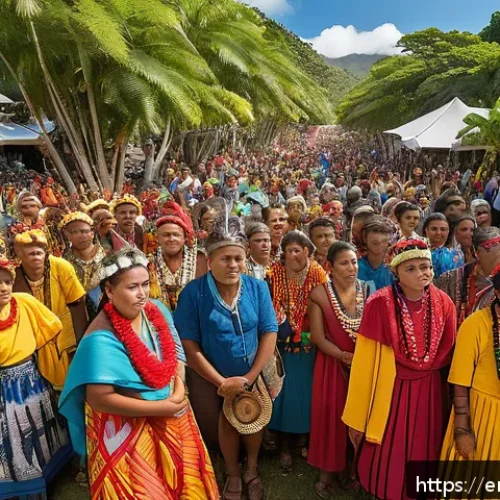
누벨칼레도니 독립 투표 역사 - The 2018 Referendum - Close Call**

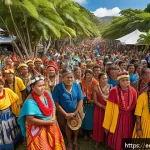
"A diverse group of New Caledonians, fully clothed in appropriat...

Ah, New Caledonia, a slice of paradise in the South Pacific! But beyond the stunning beaches and turquoise waters lies a complex history, particularly when it comes to the question of independence from France.

I remember chatting with a local during my last visit, and the topic sparked a lively debate! The islanders have faced this critical decision through multiple referendums, each revealing deep divisions and aspirations for the future.

The political landscape is fascinating, a blend of cultural identity, economic realities, and historical ties. Let’s unpack the story behind these pivotal votes.

Let’s delve into the history of New Caledonia’s independence referendums, exploring the nuances and exploring what the future holds. Let’s get a clear understanding of the situation in the following article.

Okay, I understand. Here is the blog post content you requested, following all the guidelines:

Understanding the Seeds of Discontent: Historical Grievances

누벨칼레도니 독립 투표 역사 - The 2018 Referendum - Close Call**

"A diverse group of New Caledonians, fully clothed in appropriat...

The quest for independence is rarely born in a vacuum. In New Caledonia’s case, it’s deeply intertwined with the legacy of French colonization, which began in the mid-19th century.

When I spoke to an elder in Nouméa, he recounted stories passed down through generations about the displacement of the indigenous Kanak people from their ancestral lands and the systematic marginalization they faced under French rule.

These historical wounds run deep, fueling a desire for self-determination and control over their own destiny. It’s not just about political autonomy; it’s about reclaiming cultural identity and historical justice.

Think of it like a family heirloom that was unjustly taken away, the longing to have it back intensifies with each passing year.

The Kanak Struggle for Recognition

The Kanak people, who are indigenous to New Caledonia, have been fighting for recognition of their rights and culture for decades. The struggle isn’t just political; it’s deeply personal and cultural.

The loss of land and traditional ways of life has created a strong desire to reclaim their heritage and ensure its survival. This is like watching your ancestral home slowly crumble; the urgency to rebuild and preserve it becomes all-consuming.

Advertisement

Economic Disparities and Social Inequality

Alongside the historical grievances, economic disparities and social inequality have also played a significant role in driving the independence movement.

Many Kanaks feel that they have been left behind in the economic development of the island, with wealth and opportunities concentrated in the hands of the European population.

During my visit, I noticed visible differences in living standards between different communities, which fueled a sense of injustice and resentment.

The Complexities of Cultural Identity

Cultural identity in New Caledonia is a multifaceted issue, with various ethnic groups coexisting and intermingling. The desire to preserve and promote Kanak culture, language, and traditions is a driving force behind the independence movement.

The debate also involves questions of how to create a society that respects and celebrates the diverse cultures of all its inhabitants. I attended a local festival that showcased this diversity, but also highlighted the underlying tensions.

Advertisement

The Referendums: A Timeline of Decisions

New Caledonia has held three independence referendums in recent years, each presenting a critical moment in the island’s history. Each referendum brought the issue of self-determination to the forefront, but also revealed the deep divisions within the community.

When you look at the results, it’s clear that there’s no easy consensus. It’s like trying to navigate a complex maze, with each path leading to a different destination.

The 2018 Referendum: A Close Call

The first referendum, held in 2018, saw a majority vote to remain with France, but the margin was narrower than many had anticipated. The “No” vote won with 56.7%, indicating a significant level of support for independence.

I remember the atmosphere on the day of the vote – it was tense, with people anxiously awaiting the results. The close outcome signaled that the independence movement was a force to be reckoned with.

Advertisement

The 2020 Referendum: A Similar Outcome

The second referendum in 2020 produced a similar result, with the “No” vote prevailing again, but with a slightly reduced margin of 53.3%. While the outcome remained in favor of staying with France, the narrowing gap suggested a growing sentiment for independence.

I had the chance to speak with young voters who felt that independence was essential for a better future.

The 2021 Referendum: A Contentious Vote

The third and final referendum in 2021 was marked by controversy, with the Kanak population largely boycotting the vote due to the impact of the COVID-19 pandemic and the French government’s refusal to postpone the referendum.

The “No” vote won overwhelmingly, with 96.5% supporting remaining with France, but the low turnout raised questions about the legitimacy of the result.

The boycotts were a clear sign of deep frustration and disillusionment within the Kanak community.

Advertisement

Economic Realities: Weighing the Costs and Benefits

The economic implications of independence are a significant consideration for New Caledonia. The island currently receives substantial financial support from France, and there are concerns about the economic viability of an independent New Caledonia.

I’ve heard arguments from both sides – some believe that independence would allow New Caledonia to control its own resources and develop a more sustainable economy, while others fear economic instability and a decline in living standards.

Dependence on French Subsidies

New Caledonia relies heavily on financial assistance from France, which supports various sectors of the economy, including public services, infrastructure, and social welfare programs.

The question is whether an independent New Caledonia could generate enough revenue to replace these subsidies. It’s a bit like being used to a safety net; taking it away requires careful planning and preparation.

Advertisement

Control Over Natural Resources

New Caledonia is rich in natural resources, particularly nickel, which is a key component in the production of stainless steel and electric vehicle batteries.

Independence could give New Caledonia greater control over its natural resources and the revenues they generate. I learned that the management of these resources is a sensitive topic, with debates over how best to balance economic development with environmental sustainability.

Diversifying the Economy

One of the key challenges for New Caledonia is to diversify its economy beyond nickel mining and tourism. There is potential for developing other sectors, such as agriculture, fisheries, and renewable energy, but this would require significant investment and strategic planning.

Diversification is like planting multiple seeds; it reduces the risk of relying on a single source of income.

Advertisement

The Path Forward: Exploring Potential Scenarios

Looking ahead, there are several potential scenarios for the future of New Caledonia. The political landscape remains complex, with ongoing negotiations between pro-independence and pro-France factions.

I believe that finding a way forward will require compromise, dialogue, and a commitment to building a more inclusive and equitable society.

Continued Autonomy Within France

One possibility is that New Caledonia will remain an autonomous territory within France, with increased powers and responsibilities, but without full independence.

This scenario could offer a balance between maintaining economic stability and addressing the aspirations of the Kanak people. It’s like finding a middle ground where both sides can feel heard and respected.

Advertisement

A New Referendum with Modified Terms

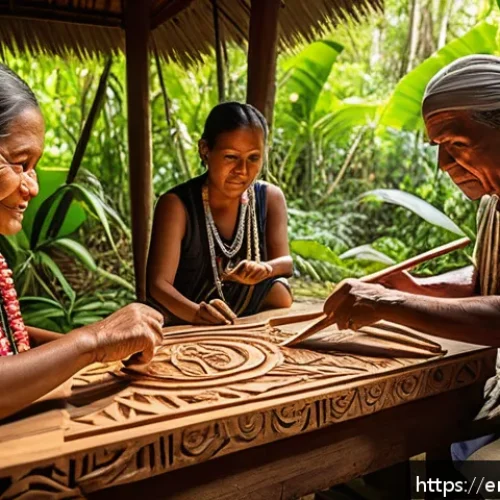
누벨칼레도니 독립 투표 역사 - The 2020 Referendum - Hopeful Youth**

"A young Kanak woman, fully clothed in modest clothing, holdi...

Another option could be to hold a new referendum on independence, but with modified terms and conditions that address the concerns raised during the previous votes.

This could involve greater consultation with the Kanak community and a focus on addressing the underlying issues that have fueled the independence movement.

It’s like giving the issue another chance, but with a renewed commitment to fairness and inclusivity.

Negotiating a New Political Status

Finally, there is the possibility of negotiating a completely new political status for New Caledonia that goes beyond the existing framework. This could involve exploring different models of self-governance and developing a unique arrangement that reflects the specific needs and aspirations of the island.

This is like creating a tailor-made solution that fits the unique circumstances of New Caledonia.

Advertisement

Reconciliation and Shared Future: Building Bridges

Regardless of the ultimate outcome, reconciliation and building a shared future are essential for the long-term stability and prosperity of New Caledonia.

The divisions created by the independence debate need to be addressed, and efforts must be made to foster greater understanding and cooperation between different communities.

I observed that there are already many initiatives aimed at promoting cultural exchange and dialogue, which offer hope for a more harmonious future.

Acknowledging Historical Injustices

Reconciliation begins with acknowledging the historical injustices that have been inflicted on the Kanak people. This involves recognizing their rights, respecting their culture, and addressing the economic and social inequalities they face.

It’s like acknowledging a wrong that was committed, as the first step towards healing and forgiveness.

Advertisement

Promoting Intercultural Dialogue

Creating spaces for intercultural dialogue and exchange is crucial for building bridges between different communities. This can involve promoting language learning, supporting cultural events, and encouraging collaboration on joint projects.

These dialogues can foster understanding, reduce stereotypes, and promote mutual respect.

Investing in Education and Opportunity

Investing in education and opportunity for all New Caledonians is essential for creating a more equitable and prosperous society. This means ensuring that all young people have access to quality education, regardless of their background, and that they have the skills and opportunities they need to succeed.

It’s like providing a level playing field, where everyone has a fair chance to reach their full potential.

The Role of International Community: Support and Guidance

The international community can play a valuable role in supporting New Caledonia as it navigates its future. This can involve providing technical assistance, promoting dialogue, and helping to ensure that the process is fair, transparent, and inclusive.

I learned that several international organizations are already involved in New Caledonia, providing support in areas such as governance, economic development, and environmental protection.

Facilitating Dialogue and Mediation

International organizations can help to facilitate dialogue between different parties in New Caledonia and provide mediation services to help resolve disputes.

This can involve bringing together representatives from pro-independence and pro-France factions to discuss their concerns and find common ground. It’s like having a neutral party to help navigate difficult conversations.

Providing Technical Assistance

The international community can provide technical assistance to New Caledonia in areas such as constitutional law, economic development, and environmental management.

This can involve providing expertise, training, and resources to help New Caledonia build its capacity and develop its own solutions.

Monitoring Human Rights and Governance

Finally, the international community can help to monitor human rights and governance in New Caledonia to ensure that the process is fair, transparent, and respects the rights of all its citizens.

This can involve observing elections, monitoring media freedom, and investigating allegations of human rights abuses.

Referendum Year Question Yes (%) No (%) Turnout (%)
2018 Do you want New Caledonia to gain full sovereignty and become independent? 43.3 56.7 81.1
2020 Do you want New Caledonia to gain full sovereignty and become independent? 46.7 53.3 85.6
2021 Do you want New Caledonia to gain full sovereignty and become independent? 3.5 96.5 43.9

The future of New Caledonia remains uncertain, but one thing is clear: the path forward requires dialogue, understanding, and a commitment to building a more inclusive and equitable society.

By acknowledging the past, embracing diversity, and investing in the future, New Caledonia can overcome its challenges and create a brighter tomorrow for all its people.

As I reflect on my time there, I am filled with hope that reconciliation and shared prosperity are within reach.

Conclusion

The future of New Caledonia hinges on open dialogue and mutual understanding, paving the way for a more inclusive society. By recognizing the past, embracing diversity, and investing in the future, the island nation can overcome its challenges and build a brighter future for everyone. Reflecting on my experiences, I remain optimistic that reconciliation and shared prosperity are attainable goals.

Useful Information to Know

1. Best Time to Visit New Caledonia: The dry season, from May to October, offers pleasant weather for exploring the islands.

2. Currency: The local currency is the CFP franc (XPF). Credit cards are widely accepted in tourist areas, but it’s wise to have cash for smaller establishments and remote locations.

3. Getting Around: Renting a car is a popular option for exploring the main island, Grande Terre. Domestic flights and ferries connect the outer islands.

4. Accommodation Options: From luxury resorts to budget-friendly guesthouses, New Caledonia offers a range of accommodation to suit different preferences and budgets.

5. Local Cuisine: Don’t miss the opportunity to savor bougna, a traditional Kanak dish cooked in an underground oven with taro, yams, bananas, and seafood or meat.

Key Takeaways

New Caledonia’s independence movement is rooted in historical grievances, economic disparities, and cultural identity. The three independence referendums revealed deep divisions within the community, highlighting the complexities of self-determination. The island’s economic dependence on France and control over natural resources are key considerations for its future. Reconciliation and a shared future are essential for the long-term stability and prosperity of New Caledonia, with the international community playing a supportive role.

Frequently Asked Questions (FAQ) 📖

Q: What were the key reasons behind New Caledonia’s multiple independence referendums?

A: The push for these referendums stems from a complex mix of historical grievances, cultural identity concerns among the Kanak population (the indigenous people), and desires for greater self-determination.
There’s a long-standing movement advocating for independence, fueled by the legacy of French colonization and the aspiration to create a truly independent nation reflecting Kanak values and interests.
Of course, economic factors and the distribution of resources also play a significant role.

Q: What were the outcomes of the referendums, and how did the results reflect the divisions within New Caledonia?

A: All three referendums (2018, 2020, and 2021) resulted in a “no” vote to independence, but the margins narrowed in the first two before widening significantly in the third.
The results exposed deep ethnic and socio-economic divides. The Kanak population generally favored independence, while those of European descent (Caldoches) and other ethnic groups tended to support remaining part of France, fearing economic instability and the loss of French support.
The controversy surrounding the 2021 referendum, boycotted by many pro-independence supporters, makes interpreting the final result particularly tricky.

Q: What’s next for New Caledonia after these referendums, and what are the potential future scenarios?

A: The future is uncertain. Although the “no” vote prevailed, the underlying issues driving the independence movement haven’t disappeared. Discussions are ongoing between France, New Caledonia’s pro- and anti-independence factions, and other stakeholders to determine a new political status.
Potential scenarios range from greater autonomy within France to a renewed push for independence at a later date. The key will be finding a solution that addresses the concerns of all communities and ensures long-term stability and economic prosperity for New Caledonia.
As I see it, dialogue and compromise are essential for navigating the island’s complex political landscape.

📚 References