Ever dreamed of discovering a little piece of Europe, perfectly seasoned with vibrant Pacific charm, without crossing an entire continent? Well, let me tell you, New Caledonia is exactly that captivating paradox, and it’s an absolute must-see for anyone who appreciates a truly unique cultural blend.
I remember feeling completely transported the first time I strolled through Nouméa’s bustling markets, catching the scent of freshly baked baguettes mingled with the tropical sea breeze – it was an experience that truly stuck with me.
The elegant French influence, from the chic boutiques to the lively café culture, is undeniable, yet it beautifully harmonizes with the rich Melanesian traditions and breathtaking natural beauty.
It’s truly something you have to experience to believe, offering a delightful juxtaposition that shapes everything from the local cuisine to the laid-back island rhythm.
This unique blend creates an atmosphere that’s both familiar and wonderfully exotic, inviting you to explore a world where two distinct cultures dance in perfect sync.
Ready to peel back the layers of this fascinating island nation? Let’s dive in and explore the full story below!
Culinary Adventures: A Taste of France in the Tropics

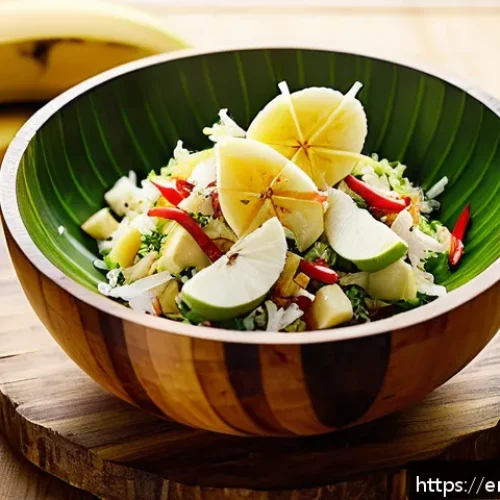
Oh, the food in New Caledonia! If there’s one thing that truly encapsulates that glorious blend of French elegance and Pacific vibrancy, it’s definitely the culinary scene. I still remember my first morning in Nouméa, stumbling out of my hotel, lured by the irresistible aroma of freshly baked baguettes wafting from a boulangerie. It was exactly like being back in Paris, but with a tropical breeze playing through the palm trees. You can find authentic French patisseries and exquisite fine dining that rivals anything you’d find on the Champs-Élysées, offering up everything from perfectly seared duck confit to delicate mille-feuille. But then, just a few blocks away, you’re hit with the tantalizing smells of a local market, brimming with exotic fruits I’d never even seen before, fresh seafood caught that very morning, and traditional Melanesian dishes like bougna, slow-cooked in banana leaves over hot stones. I tried bougna at a local festival, and the rich, earthy flavors of taro, yam, and chicken or fish, all infused with coconut milk, were just mind-blowing. It’s a dish that tells a story of the island, deeply rooted in its traditions, and experiencing it felt like a true privilege. The contrast is spectacular, creating a food lover’s paradise where every meal is an adventure, a delightful journey between two distinct culinary worlds. You’ll find yourself craving both a perfectly brewed espresso and a fresh coconut water on the same day, trust me.
Savoring the French Staples
When I say French staples, I’m talking about the real deal. Forget watered-down versions; Nouméa’s French influence is deeply ingrained, especially in its bakeries and restaurants. I found myself making a ritual of grabbing a pain au chocolat and a strong coffee every morning. The quality is just superb, using proper French butter and techniques. Beyond breakfast, you can indulge in classic French bistro fare – think steak frites, escargots, and beautiful cheese platters, often paired with a lovely glass of French wine. It’s not just in the high-end restaurants either; even casual cafés often serve incredible quiches and crêpes. It’s a comfort to find such familiar, high-quality European cuisine in such a remote corner of the world, making the transition for European travelers incredibly seamless, and for others, a wonderful introduction to French gastronomy.
Exploring Local Flavors: Bougna and Beyond
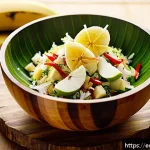
But you absolutely cannot visit New Caledonia without diving deep into the local Kanak cuisine. Bougna, as I mentioned, is the star, a communal dish often prepared for special occasions, and if you get a chance to try it, don’t hesitate! Beyond bougna, the island offers an abundance of fresh seafood – tuna, mahi-mahi, prawns – prepared with simple, fresh ingredients that let the natural flavors shine. Local markets are a treasure trove where you can discover unique tropical fruits like the tangy star fruit, sweet lychees, or the creamy soursop. I loved experimenting with these fruits, often just eating them fresh or adding them to my breakfast. The blend of sweet, savory, and sometimes spicy flavors in the local dishes is truly unique, showcasing the rich agricultural bounty of the island and the generations of culinary traditions that have been passed down.
Beyond the Beaches: Exploring Mélanésian Heartlands
While New Caledonia is famous for its stunning turquoise lagoons and pristine beaches, I quickly learned that there’s a profound richness that lies beyond the shimmering coastline, deep within its Melanesian heartlands. Venturing inland, away from the European-influenced bustle of Nouméa, felt like stepping into a completely different world, a journey through time and culture. The landscape itself transforms, giving way to lush, rugged mountains, dense rainforests, and quaint, traditional Kanak villages where life moves at a wonderfully slower, more authentic pace. I remember taking a drive through the Grande Terre’s interior, past towering araucaria trees and rolling hills, feeling an incredible sense of peace and connection to the earth. Meeting local Kanak people in their villages was an eye-opening experience. Their warmth, their deep respect for their ancestors, and their profound connection to the land are truly humbling. They shared stories, traditional crafts, and even a bit of their language with me, and it was through these interactions that I really began to understand the soul of New Caledonia. It’s not just about the beautiful scenery; it’s about the vibrant, living culture that thrives in these hidden corners, a culture that has preserved its traditions for thousands of years despite external influences. If you truly want to experience the spirit of this island, you absolutely have to explore its interior.
Connecting with Kanak Culture and Traditions
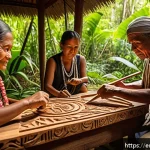
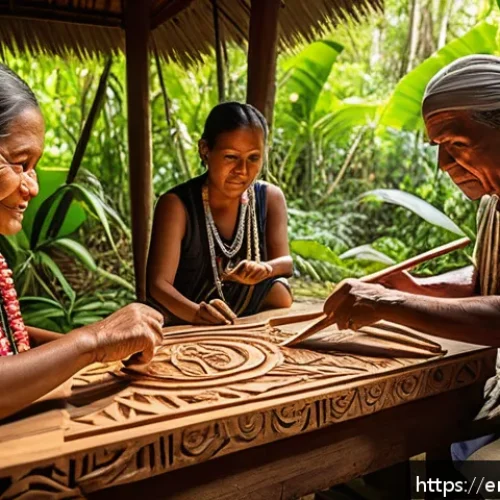
One of my most cherished memories from New Caledonia is participating in a small traditional ceremony. It wasn’t elaborate, just a simple exchange of words and a small gift, but the sincerity and depth of the ritual were palpable. The Kanak people have a rich oral history, passed down through generations, full of myths, legends, and practical knowledge about their environment. They are renowned for their intricate wood carvings, especially totem poles and masks, which tell stories of their clans and ancestors. When visiting a traditional ‘case’ (hut), I was struck by the craftsmanship and the way everything was built from natural materials. Understanding the concept of ‘coutume’ – the Kanak custom of showing respect and asking permission – is key to a meaningful visit. I found that a small gift, like a piece of cloth or some tobacco, offered with a sincere heart, opens doors to incredible interactions and a deeper appreciation of their way of life. It’s an immersive cultural experience that goes far beyond any tourist attraction.
Adventure in the Interior: Forests, Waterfalls, and Hiking
The interior of Grande Terre is an adventurer’s dream. Imagine hiking through ancient rainforests, discovering hidden waterfalls cascading into crystal-clear pools, or exploring vast, untouched wilderness. I spent a day trekking in the Parc Provincial de la Rivière Bleue, and it was simply breathtaking. The park is home to unique endemic species, including the cagou, New Caledonia’s flightless national bird, which I was lucky enough to spot! The terrain can be challenging, but the rewards are immense: panoramic views, a sense of solitude, and the raw beauty of nature. You can also explore vast underground caves, go canyoning, or simply enjoy a picnic by a pristine river. The air is so fresh, the sounds of the forest are mesmerizing, and it feels like you’re truly escaping the modern world. For anyone who loves the outdoors, these inland adventures are an absolute must-do and provide a wonderful contrast to the coastal relaxation.
Navigating New Caledonia: Practical Tips for a Smooth Trip
Alright, so you’re ready to pack your bags and experience this incredible blend of cultures? Fantastic! But before you jet off, let me share a few practical tips I picked up along the way that can really make your trip smoother and more enjoyable. New Caledonia, while a French territory, operates on its own rhythm, and a little foreknowledge goes a long way. The currency, for instance, is the Pacific Franc (XPF), not the Euro, which is a common misconception. While credit cards are widely accepted in Nouméa and larger towns, having some local cash, especially for smaller shops, markets, or when you venture into more remote areas, is always a good idea. I remember once being in a charming little village trying to buy some local crafts and realizing my card wasn’t accepted; thankfully, I had some XPF on hand! Communication is another aspect. While French is the official language, and you’ll find English spoken in tourist-heavy areas of Nouméa, a few basic French phrases will go a very long way, particularly outside the capital. Even just ‘Bonjour’ and ‘Merci’ can open doors and bring smiles. Renting a car is almost a necessity if you truly want to explore beyond Nouméa and experience the stunning diversity of the Grande Terre; public transport is limited once you leave the capital. Driving is on the right, just like in France, and roads are generally well-maintained. Don’t forget to factor in the time difference and maybe plan a relaxed first day to adjust. These small considerations can really enhance your travel experience and help you embrace the local vibe without any unnecessary hiccups.
Getting Around the Main Island (Grande Terre)
Seriously, if you want to see the real New Caledonia, renting a car is non-negotiable. I tried relying on a few tours at first, but quickly realized the freedom of having my own wheels was invaluable. It allowed me to spontaneously stop at stunning viewpoints, detour to charming villages, and find secluded beaches that weren’t on any tour itinerary. Driving on Grande Terre is generally straightforward, but be mindful of narrow roads in mountainous areas and watch out for cattle or deer, especially outside of daylight hours. Fuel stations can be sparse in the more remote parts, so always keep an eye on your tank. Having a GPS or a good old-fashioned map loaded on your phone (downloaded offline!) is a lifesaver, as mobile reception can be patchy in some areas. For those staying primarily in Nouméa, local buses are efficient and cover the city well, but to truly unlock the island’s magic, hit the road!
Money Matters: Understanding the Pacific Franc
As I mentioned, the currency is the CFP Franc (XPF). It’s fixed to the Euro, so roughly 1 EUR is about 119.33 XPF. I always found it useful to have a mental conversion rate in my head, especially when browsing local markets. ATMs are readily available in Nouméa and larger towns like Bourail or Koné, but don’t expect them in every small village. It’s smart to carry a mix of card and cash. Many hotels and larger restaurants accept Visa and Mastercard, but American Express can sometimes be a challenge. Tipping isn’t generally expected but is always appreciated for excellent service. Prices for goods and services can be a bit higher than in some other Pacific islands due to import costs, so budget accordingly, especially for food and accommodation. A good rule of thumb is to expect European prices for many imported goods.
Unveiling the Underwater Wonderland: Diving into the Lagoon
If you’re anything like me and the idea of crystal-clear turquoise waters teeming with vibrant marine life sends a shiver of excitement down your spine, then New Caledonia’s lagoon is about to become your new favorite place on Earth. Seriously, I’ve dived in many places around the world, but the UNESCO World Heritage-listed lagoon here is absolutely phenomenal and truly unique. It’s one of the largest and most beautiful lagoons in the world, incredibly biodiverse, and remarkably well-preserved. My first dive there felt like entering a live-action documentary; schools of colorful fish darting past, graceful sea turtles gliding by, and the sheer variety of corals in every shape and hue imaginable. The water visibility is often incredible, allowing you to see so much detail, even from a distance. Whether you’re a seasoned diver with hundreds of logged dives or a complete beginner just looking to try snorkeling, this lagoon offers an unparalleled experience. It’s not just about the big, impressive creatures, though you’ll certainly see plenty of those, from manta rays to reef sharks; it’s also about the delicate balance of the ecosystem, the intricate patterns of the coral gardens, and the sheer abundance of life at every turn. I spent days exploring different spots, and each time I surfaced, I felt a renewed sense of wonder and gratitude for getting to witness such pristine underwater beauty. You simply cannot come to New Caledonia and not immerse yourself in its aquatic treasure.
Snorkeling and Scuba Diving Hotspots
For me, the hardest part was choosing where to dive next, because there are so many incredible spots! Around the Isle of Pines, the ‘Natural Pool’ is a snorkeling paradise, sheltered and shallow, perfect for families, but still bursting with fish. For serious divers, the barrier reef offers dramatic drop-offs, caves, and wreck dives. The Passe de Dumbéa, near Nouméa, is famous for its leopard sharks and manta rays, which I was lucky enough to encounter – an absolutely unforgettable experience! Even closer to Nouméa, the Amedee Lighthouse Island offers fantastic snorkeling and beginner-friendly diving, with plenty of reef fish and turtles. Many dive centers around Nouméa and other coastal towns offer guided trips for all levels, from discovery dives for first-timers to advanced dives for experienced enthusiasts. They are highly professional, prioritizing safety and marine conservation, which I really appreciated. Each spot offers a slightly different experience, ensuring you can spend days, even weeks, exploring without seeing the same thing twice.
Marine Life Encounters: From Turtles to Dugongs
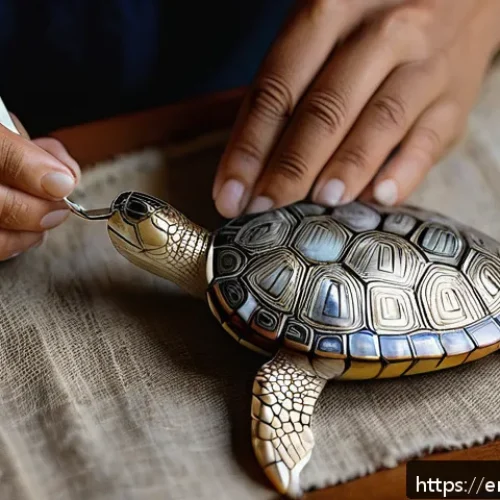
The marine life here is simply astounding. Beyond the vibrant reef fish and corals, I had several incredible encounters. Seeing a majestic green sea turtle peacefully munching on seagrass during a dive, completely oblivious to my presence, was truly magical. New Caledonia is also one of the best places in the world to spot dugongs, the gentle “sea cows.” While I didn’t see one on my trip, local divers shared amazing stories and photos, describing their shy nature. You might also spot various species of reef sharks (they’re generally harmless and beautiful to watch!), eagle rays, and even whales during migration season (July to September). The commitment to marine conservation here is very evident, and it’s reassuring to know that these incredible ecosystems are being protected, allowing us to witness them in their natural, unspoiled glory. Every time I slipped into the water, I felt like I was stepping into a secret garden, a vibrant world full of life and wonder.
From Bourail to Blue River: Nature’s Grandeur Unleashed
Stepping away from the immediate allure of the lagoon, New Caledonia truly flexes its natural muscles in its diverse terrestrial landscapes. And let me tell you, it’s not just pretty—it’s epic. I remember driving north from Nouméa towards Bourail, and the scenery just kept unfolding, each turn revealing a new, breathtaking vista. The West Coast is characterized by expansive cattle stations and rolling plains that eventually meet dramatic cliffs, like the famous “Roche Percée” (Pierced Rock), a natural arch carved by centuries of wind and waves. Standing there, feeling the spray of the ocean, truly made me appreciate the raw power of nature. Then you head further inland or towards the east, and everything changes again. You’re suddenly immersed in dense, ancient rainforests, with trees I’d never seen before, and the air gets cooler, thicker with the scent of damp earth and tropical flora. The Parc Provincial de la Rivière Bleue, which I mentioned earlier, is a perfect example of this inland splendor, a vast protected area that feels utterly prehistoric. It’s home to unique ecosystems, including the ‘maquis minier,’ a distinctive shrubland growing on mineral-rich soils, found nowhere else on Earth. The sheer variety of landscapes within this single island is astounding – from savannah-like plains to towering mountains, cascading waterfalls, and deep river valleys. It’s a natural playground for hikers, birdwatchers, and anyone who simply wants to reconnect with an unspoiled wilderness. Every corner of the island has its own distinct character, inviting you to explore its many secrets and lose yourself in its untamed beauty. It’s a place that continually surprises you with its environmental richness.
Western Charm: Cowboys and Coastal Wonders
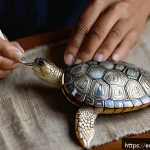
The West Coast, often called the “Cattle Coast,” has a distinctly different vibe from the French-influenced capital or the remote East. Here, you’ll find a touch of cowboy culture, with large ranches stretching across rolling hills. Towns like Bourail are charming and feel very authentic, hosting annual agricultural fairs that showcase this unique side of New Caledonia. The coast itself is dramatic, with rugged cliffs and some fantastic, often deserted, beaches perfect for a quiet afternoon. The “Bwärä Tortoise Sanctuary” near Bourail is also a wonderful place to see sea turtles, and I loved watching the hatchlings make their way to the ocean. The landscape here truly feels expansive, offering a sense of freedom that’s invigorating. It’s a great area for horseback riding or simply taking scenic drives, offering a glimpse into the working life of the island away from the tourist hubs.
Eastern Serenity: Rainforests and Traditional Villages
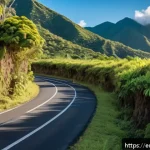
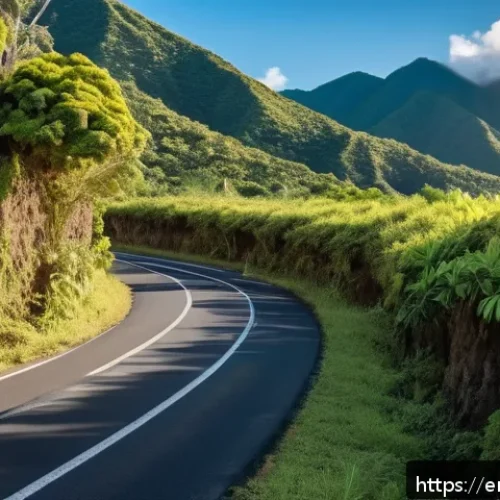
In stark contrast, the East Coast is a lush, verdant paradise, characterized by dense rainforests, cascading rivers, and more traditional Kanak villages nestled amongst the greenery. The winding coastal road, often clinging to the side of mountains, offers spectacular views out over the Pacific. This side of the island feels much more remote and tranquil, a perfect escape for those seeking peace and immersion in nature. There are numerous opportunities for hiking to waterfalls, exploring river valleys, and simply enjoying the pristine natural environment. I particularly enjoyed visiting the small, friendly communities along the coast, where the pace of life slows down even further, and you can truly experience the genuine warmth and hospitality of the Kanak people. It’s a place to breathe deeply, listen to the sounds of the forest, and let the serenity wash over you.
Local Life & Culture: Connecting with the Kanak Spirit
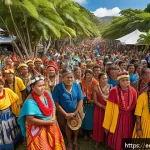
While the French influence is undeniable and charming, to truly understand New Caledonia, you simply must connect with the vibrant and ancient Kanak culture. It’s the beating heart of the islands, a legacy stretching back thousands of years that has beautifully persevered. I remember being struck by the sheer resilience and warmth of the Kanak people I met. Their society is built around strong communal bonds, respect for elders, and a deep reverence for nature and their ancestral lands. You’ll see this reflected everywhere, from the architecture of their traditional ‘cases’ (huts) to their intricate artwork and ceremonial practices. The ‘Grande Case’ in a village, with its towering flèche faitière (carved spire) pointing towards the sky, is more than just a building; it’s a symbol of their unity, history, and spiritual connection. Engaging with the Kanak culture isn’t just about observation; it’s about participation and respect. I found that showing genuine interest and approaching with an open heart always led to incredibly rewarding interactions. Whether it was learning a few words of a local dialect, admiring their traditional weaving, or understanding the significance of the ‘coutume’ (customary exchange), each interaction deepened my appreciation for this unique culture. It’s a profound experience that adds so much depth to your journey, reminding you that travel isn’t just about sights, but about people and their stories. You leave not just with memories of beautiful landscapes, but with a richer understanding of humanity.
Understanding the Coutume: A Key to Connection
The ‘coutume’ is perhaps the most important aspect of Kanak culture for visitors to understand. It’s a traditional customary exchange, a gesture of respect and a way of introducing yourself when entering a Kanak village or attending a ceremony. It’s not a transaction, but a symbolic offering that acknowledges the local customs and seeks permission. I learned that a small, thoughtful gift – often a piece of patterned cloth, some tobacco, or a small amount of money (around 500-1000 XPF) – presented with a few words of respect, is deeply appreciated. It signals that you recognize and honor their traditions. I remember preparing my first ‘coutume’ and feeling a bit nervous, but the warm smiles and genuine welcome I received made it clear that the gesture was truly valued. It’s a beautiful tradition that fosters mutual respect and creates a bridge between visitors and the local community, turning a simple visit into a meaningful cultural exchange.
Traditional Arts, Crafts, and Music

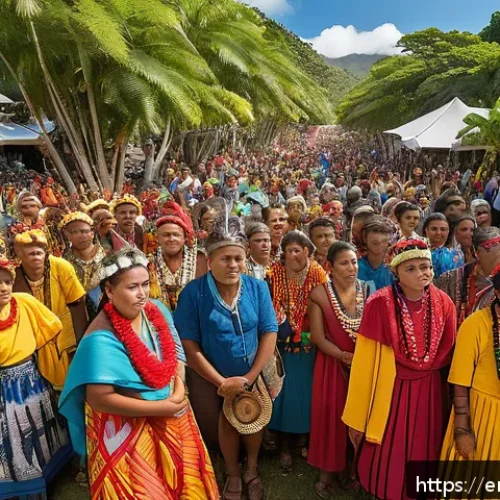
Kanak art is incredibly distinctive and rich with symbolism. You’ll find intricate wood carvings, especially on the ‘flèche faitière’ of the Grande Case, depicting ancestral figures and symbols of protection. I was fascinated by the patterns and stories woven into their traditional baskets and mats, often made from pandanus leaves. When visiting local markets or cultural centers, you’ll find beautiful examples of these crafts, from carved wooden figures to shell jewelry and woven goods. Their music, often accompanied by traditional instruments like drums and conch shells, is soulful and tells stories of their history and connection to the land. I was lucky enough to witness a traditional dance performance, and the energy, the costumes, and the powerful rhythms were absolutely captivating. Supporting local artisans by purchasing their handmade goods is a wonderful way to take a piece of their culture home with you and directly contribute to the preservation of their traditions.
Shopping & Souvenirs: Bringing a Piece of Paradise Home
When it comes to souvenirs, New Caledonia truly offers a delightful mix that perfectly mirrors its unique cultural blend. Forget generic trinkets; here, you can find something genuinely special that tells a story. From elegant French fashion and gourmet treats to authentic Kanak carvings and locally produced treasures, there’s a whole world to explore. I always make it a point to seek out local artisans and products that are truly unique to the destination, and New Caledonia did not disappoint. In Nouméa, you’ll find chic boutiques selling the latest French fashion, perfumes, and cosmetics – it’s like a little slice of Paris on the Pacific! But then you wander into a local market, and you’re surrounded by the vibrant colors and intricate designs of Kanak craftsmanship. I found myself drawn to the beautifully carved wooden statues and the finely woven baskets; they just have a real soul to them. And for the foodies, there are some incredible local delicacies you absolutely have to bring back. Think vanilla pods that smell like heaven, rich local coffee, and, of course, the famous New Caledonian niaouli oil, a versatile essential oil known for its medicinal properties. My advice? Take your time, explore different areas, and allow yourself to be surprised by the treasures you uncover. It’s not just about what you buy, but the stories behind it and the memories it evokes. Every time I look at the small Kanak carving I brought home, I’m instantly transported back to the warmth and beauty of the island.
Nouméa’s Boutiques and Markets
Nouméa is definitely the place for your shopping fix, especially if you’re looking for that French touch. The Latin Quarter, around Rue de l’Alma and Rue Anatole France, is packed with stylish boutiques, patisseries, and shops selling everything from French lingerie to high-end homeware. It’s a great spot for a leisurely stroll and a bit of window shopping, perhaps picking up some beautiful French cheeses or wines to enjoy later. But for a more local flavor, head to the Port Moselle Market early in the morning. This is where the island truly comes alive! You’ll find stalls overflowing with fresh tropical fruits, vegetables, just-caught seafood, and a fantastic array of local crafts. I loved grabbing a fresh coconut to drink while browsing the stalls, finding unique shell jewelry and beautifully printed pareos. It’s a sensory overload in the best possible way, and a perfect place to mingle with locals and soak in the vibrant atmosphere.
Unique Local Crafts and Edibles
Beyond the bustling markets, keep an eye out for specialized local products. New Caledonia is known for its high-quality vanilla, which makes an incredible gift. The local coffee, often grown in small plantations, has a rich, smooth flavor that’s perfect for coffee connoisseurs. And don’t forget niaouli oil! It’s derived from a tree native to the island and is highly regarded for its antiseptic and healing properties. I bought several bottles and swear by it now for everything from minor cuts to clearing congestion. For crafts, look for miniature ‘flèche faitière’ carvings, which are symbolic and beautiful. Also, the weaving from pandanus and coconut leaves creates stunning baskets, hats, and decorative items. These aren’t just souvenirs; they’re pieces of the island’s culture and heritage, often made with incredible skill and care by local artisans, and bringing them home feels like bringing a piece of New Caledonia’s soul with you.
Embracing Island Time: Relaxation and Recreation
One of the most profound lessons I learned in New Caledonia wasn’t from a guidebook or a tour guide, but from the island itself: the art of ‘island time.’ It’s a beautiful, unhurried pace of life that encourages you to slow down, breathe deeply, and truly savor every moment. This isn’t just a place for thrilling adventures; it’s a sanctuary for relaxation and rejuvenation, offering countless ways to unwind and reconnect with yourself amidst breathtaking scenery. I remember days spent simply lounging on a pristine beach, the soft white sand beneath my feet, the gentle lapping of the waves, and the warm sun on my skin. There’s something incredibly therapeutic about letting go of the constant rush and allowing yourself to simply ‘be.’ Beyond the tranquil beaches, you can indulge in luxurious spa treatments, often incorporating local ingredients like coconut oil or traditional plant extracts, leaving you feeling utterly pampered. For those who enjoy a bit of gentle activity, a round of golf on a picturesque course overlooking the lagoon or a leisurely paddleboarding session across calm, clear waters are perfect ways to blend relaxation with recreation. The air here is clean, the views are endless, and the overall atmosphere is one of serene bliss. It’s a chance to truly escape the pressures of daily life and immerse yourself in an environment that encourages peace and well-being. This gentle rhythm of life becomes infectious, and you’ll find yourself effortlessly adapting to it, leaving feeling completely refreshed and revitalized, carrying a piece of that calm back home with you.
Beaches for Every Mood
New Caledonia has a beach for every mood, from lively stretches near Nouméa to secluded coves perfect for solitude. Anse Vata Beach and Lemon Bay in Nouméa are vibrant hubs, bustling with activities like windsurfing and paddleboarding, and lined with cafes perfect for people-watching. I loved grabbing an iced coffee and just observing the world go by here. For something a little more tranquil, head to the stunning beaches of the Isle of Pines, like Oro Bay, where the natural pool offers calm, crystal-clear waters perfect for a swim or a float. Or venture further along Grande Terre to find countless deserted stretches of sand where you’ll have the ocean all to yourself. Whether you want to swim, sunbathe, read a book under a palm tree, or simply listen to the waves, New Caledonia’s beaches deliver. Each one has its own charm, but they all share that incredible quality of sparkling, clean water and soft, inviting sand.
Wellness and Mindful Activities
Beyond the physical beauty, New Caledonia offers ample opportunities for mental and spiritual rejuvenation. Many resorts offer yoga classes with stunning ocean views, or you can find quiet spots on the beach for your own meditation practice. I found that simply walking along the shore at sunrise, feeling the gentle breeze and listening to the birds, was incredibly grounding. There are also opportunities for traditional Melanesian massages or treatments that incorporate local botanicals, offering a truly unique wellness experience. The slow pace of life encourages mindfulness, allowing you to truly be present in the moment and appreciate the incredible natural surroundings. It’s a perfect destination to reset, recharge, and return home with a renewed sense of peace and clarity.
Planning Your Perfect New Caledonia Itinerary
Crafting the perfect itinerary for New Caledonia is a delightful puzzle, primarily because there’s so much incredible diversity packed into this island nation! It’s not just about ticking off sights; it’s about curating experiences that resonate with what you’re truly seeking – whether that’s deep cultural immersion, thrilling adventures, serene relaxation, or a blend of everything. I remember spending hours poring over maps and reviews, trying to balance my desire for vibrant city life with the pull of untouched natural beauty, and the profound allure of remote islands. My best advice? Don’t try to do everything. Pick a few key areas that truly call to you and allow yourself the flexibility to explore them deeply. Nouméa, of course, is a must for its French charm, dining, and as a convenient base. But then, should you venture south to the Isle of Pines for its iconic natural pool and pristine beaches, or head north to the wilder East Coast for rainforests and authentic Kanak villages? Or perhaps dive into the vast, untouched beauty of the Grande Terre’s interior? A multi-island trip is definitely possible and highly recommended if you have the time, allowing you to experience the best of both the main island and its stunning archipelagos. Consider how much time you have; a week is a good start, but two weeks or more truly allows you to slow down and embrace the rhythm of the islands, making for a much richer, less rushed experience. Think about what excites you most and build your journey around those passions – whether it’s diving into the lagoon, hiking through ancient forests, or simply sipping coffee at a French café by the sea. Each choice opens up a new facet of New Caledonia’s charm.
Essential Stops: Nouméa and the Isle of Pines
For a first-time visitor, I’d strongly recommend making Nouméa your base for a few days to soak in the French atmosphere, enjoy the incredible food, and visit local markets and museums. From there, a trip to the Isle of Pines (Ile des Pins) is practically mandatory. It’s often called the ‘Jewel of the Pacific,’ and for good reason! The famous natural pool (Piscine Naturelle) is an unforgettable experience, and the island’s pristine white-sand beaches, towering columnar pines, and laid-back vibe are simply heavenly. The short flight or ferry ride makes it easily accessible, and it offers a perfect contrast to the main island. I found the shift from Nouméa’s bustling streets to the serene beauty of the Isle of Pines to be a truly magical transition, making me feel like I was getting two distinct holidays in one trip. Don’t skip these two; they truly form the core of a classic New Caledonian experience.
Exploring Further: East Coast or Grande Terre Interior
Once you’ve experienced Nouméa and the Isle of Pines, if time allows, consider venturing off the beaten path to truly uncover more of New Caledonia’s soul. The East Coast, with its lush rainforests, traditional Kanak villages, and stunning coastal drives, offers a more rugged and culturally immersive experience. It’s quieter, wilder, and feels like stepping back in time. Alternatively, if you’re an outdoor enthusiast, exploring the interior of Grande Terre, particularly areas like the Parc Provincial de la Rivière Bleue, will reward you with incredible hiking, unique wildlife (like the endemic cagou!), and a profound sense of untouched wilderness. Both options offer a dramatically different perspective from the more developed south and are perfect for those who want to dig deeper into the island’s natural and cultural richness. My personal recommendation would be to dedicate at least three or four days to either of these regions to truly appreciate their distinct beauty.
| Category | Key Information | My Personal Tip |
|---|---|---|
| Currency | CFP Franc (XPF), approx. 1 EUR = 119.33 XPF | Always carry some XPF cash, especially outside Nouméa. |
| Language | French (official), Kanak dialects | Basic French phrases go a long way; ‘Bonjour’ & ‘Merci’ are essential! |
| Transportation | Rental car recommended for Grande Terre; local buses in Nouméa. | Rent a 4×4 if exploring off-road or remote areas for peace of mind. |
| Coutume | Traditional Kanak custom of respectful exchange when visiting villages. | Prepare a small gift (cloth, tobacco, 500-1000 XPF) for genuine interactions. |
| Best Time to Visit | May to November (dry season, cooler temps); July-Sept for whale watching. | Avoid cyclone season (Jan-March) for smoother travel. |
| Must-Try Food | Bougna, fresh seafood, French pastries, tropical fruits. | Don’t leave without trying Bougna at least once – it’s an experience! |
Sustainable Travel: Preserving Paradise for Future Generations
As much as I loved exploring every inch of New Caledonia, from its bustling markets to its serene lagoons, one thing that constantly resonated with me was the palpable need for sustainable travel. This isn’t just a buzzword here; it’s a way of life, particularly for the Kanak people who have a deep, ancestral connection to their land and sea. And honestly, it’s something we, as visitors, have a huge responsibility to uphold. The sheer beauty of New Caledonia, especially its incredible UNESCO World Heritage-listed lagoon, is fragile, and it relies on all of us to protect it. I found that local communities and tourism operators are increasingly focused on eco-tourism initiatives, and it made me feel good to support them. Simple things, like choosing reef-safe sunscreen to protect the delicate corals or making sure to properly dispose of all your waste, can have a monumental impact. I made sure to carry a reusable water bottle everywhere to cut down on plastic, and when I went snorkeling, I was incredibly careful not to touch the coral or disturb marine life. It’s about leaving no trace, respecting the local environment, and understanding that we are privileged guests in a very special place. Beyond the natural environment, sustainable travel here also means respecting the local culture and traditions. Engaging respectfully with Kanak communities, supporting local artisans directly, and being mindful of local customs ensures that your visit benefits the people who call this beautiful place home. It’s about being a conscious traveler, and when you see the pristine nature and vibrant culture, you’ll understand why it’s so vital to preserve it for generations to come. This commitment adds another layer of richness to the travel experience, knowing you’re contributing positively.
Respecting the Lagoon and Marine Ecosystems
The New Caledonian lagoon is a true marvel, and its designation as a UNESCO World Heritage site speaks volumes about its global significance. When you’re diving or snorkeling, remember that this is a living, breathing ecosystem, and every interaction we have with it can leave an impact. I always tried to maintain a respectful distance from marine life, never chasing or touching any creatures. It’s also crucial to avoid touching or standing on corals, as they are incredibly delicate and can be damaged by even a light touch. Many local tour operators are fantastic about educating visitors on proper marine etiquette, and following their guidelines is paramount. Using reef-safe sunscreen, free of oxybenzone and octinoxate, is another small but significant way to protect the corals from harmful chemicals. Supporting operators who demonstrate a strong commitment to conservation and responsible tourism helps ensure that these pristine waters remain vibrant for years to come. It’s about being a guardian, not just a visitor.
Supporting Local Communities and Culture
Beyond environmental considerations, sustainable travel in New Caledonia means actively supporting its people and their rich culture. This can be as simple as choosing to buy your souvenirs directly from local artisans at markets, rather than from mass-produced tourist shops. When you visit a Kanak village, engage with genuine respect and curiosity, and adhere to the ‘coutume’ as a sign of appreciation. Eating at locally-owned restaurants and guesthouses not only gives you a more authentic taste of the island but also ensures that your money directly benefits local families and businesses. I always try to learn a few words of the local language or at least basic French greetings; it shows respect and often leads to warmer, more personal interactions. By making conscious choices to support the local economy and respect cultural practices, we contribute to the well-being of the communities, helping them to thrive and preserve their unique heritage in a respectful, mutually beneficial way. It’s about building bridges, not just taking photos.
Concluding Thoughts
And there you have it, my friends! New Caledonia is truly a destination that defies simple categorization, a place where the vibrant energy of the South Pacific dances harmoniously with the sophisticated charm of France. It’s a journey that stimulates all your senses, from the intoxicating aromas of a French boulangerie to the breathtaking underwater symphony of its pristine lagoon, and the heartwarming smiles of the Kanak people. I hope my shared experiences have painted a vivid picture and ignited your own wanderlust for this exceptional island paradise. It’s more than just a trip; it’s an immersive adventure that leaves an indelible mark on your soul, urging you to slow down, connect deeply, and savor every exquisite moment.
Handy Tips for Your New Caledonia Adventure
1. Currency Clarity: Remember that New Caledonia uses the CFP Franc (XPF), not the Euro, even though it’s a French territory. While cards are accepted in major towns like Nouméa, always carry some local cash for smaller purchases, markets, or when exploring more remote areas. It really makes things smoother!
2. Language Essentials: French is the official language. While English speakers can get by in tourist hubs, a few basic French phrases like “Bonjour” (hello), “Merci” (thank you), and “S’il vous plaît” (please) will go a very long way in showing respect and fostering warmer interactions with locals. Trust me, a little effort makes a big difference.
3. Road Trip Ready: To truly unlock the island’s diverse beauty beyond Nouméa, renting a car is highly recommended. Public transport outside the capital is limited. Driving on the right side of the road, just like in France, and the roads are generally well-maintained, but be mindful of narrow roads and potential wildlife in rural areas.
4. Cultural Connection – The Coutume: When visiting Kanak villages or attending traditional ceremonies, understanding and practicing the ‘coutume’ is crucial. This customary exchange, usually a small gift like a piece of cloth or some XPF, is a gesture of respect and a key to genuine cultural immersion. It’s about asking permission and showing honor.
5. Lagoon Love & Respect: New Caledonia’s UNESCO World Heritage lagoon is a fragile treasure. Please use reef-safe sunscreen, avoid touching or standing on corals, and maintain a respectful distance from marine life when snorkeling or diving. Supporting eco-conscious tour operators helps preserve this incredible ecosystem for future generations.
Final Word on New Caledonia Highlights
New Caledonia brilliantly blends French sophistication with rich Melanesian culture, offering unparalleled culinary delights, breathtaking natural landscapes from vibrant lagoons to lush rainforests, and profound opportunities for cultural immersion. Its unique appeal lies in this exquisite duality, promising travelers an unforgettable journey of discovery, relaxation, and adventure.
Frequently Asked Questions (FAQ) 📖
Q: What makes New Caledonia such a unique blend of French elegance and Pacific charm, and what can I expect to experience culturally?
A: Oh, this is probably the question I get asked most often, and it’s truly the heart of New Caledonia’s allure! From the moment I first stepped off the plane in Nouméa, I felt this incredible pull, a mix of familiar European sophistication and exotic island vibes.
It’s truly a captivating paradox. You see, New Caledonia is a French overseas territory, and that influence is absolutely everywhere – from the official language, French, to the chic boutiques, the aromatic bakeries with freshly baked baguettes, and the lively café culture in the capital.
It honestly feels like a little piece of the French Riviera transported to the South Pacific.,,But here’s where the magic truly happens: this French elegance beautifully harmonizes with the rich, ancient traditions of the indigenous Kanak people, who have called these islands home for thousands of years.,, You’ll find this blend in the local cuisine, where French cooking methods elevate fresh Pacific ingredients, or in the art and architecture, like the stunning Tjibaou Cultural Centre in Nouméa, which celebrates Kanak culture in a strikingly modern way.,, I’ve had the privilege of experiencing a traditional “customary gesture” – a beautiful gift-giving ritual that signifies respect – and it truly opened my eyes to the depth of their connection to the land and community., You’ll also notice the vibrant Melanesian languages, spoken alongside French, particularly as you venture outside of Nouméa.
It’s this authentic, rich tapestry of Oceanian, French, and even a touch of Asian influences that makes New Caledonia unlike any other destination I’ve ever visited., It’s a place where two distinct worlds don’t just coexist, but truly dance in perfect sync, creating an atmosphere that’s both wonderfully familiar and profoundly exotic.
Q: Beyond the cultural immersion, what are some absolute must-do activities or hidden gems that truly capture the essence of New Caledonia?
A: Alright, let’s talk about diving into the pure essence of New Caledonia! I always tell people, while the cultural blend is fascinating, the natural beauty here is just breathtaking.
Hands down, my top recommendation for anyone visiting is to explore the UNESCO World Heritage-listed lagoons. Trust me on this, it’s one of the largest and most vibrant coral reef systems in the world, and snorkeling or diving in those crystal-clear waters is an experience you’ll never forget.
I remember spotting so many colorful fish and even a few sea turtles during one of my first trips – it felt like swimming in an enormous, living aquarium!,,Then there’s the Isle of Pines, often called the “Jewel of the Pacific.” You simply have to see its natural pool (Piscine Naturelle) in Oro Bay.
It’s fringed with those iconic Araucaria pines and feels like a secret, open-air aquarium. It’s just heavenly.,, Back on Grande Terre, if you’re anything like me and love a bit of adventure, you absolutely must visit the Blue River Provincial Park.
You can hike, mountain bike, or even kayak through this incredible landscape, keeping an eye out for the endemic Kagu bird and the majestic Giant Kaori trees.
It’s a completely different side of the island, with stunning red earth contrasting with lush rainforest.,,, And don’t even get me started on the food!
Beyond the French delights, make sure to try a traditional Kanak Bougna – a delicious dish of fish or chicken with root vegetables, slow-cooked in coconut milk and banana leaves.
It’s a true taste of the islands and something I crave long after I leave!, Don’t forget to wander through Nouméa’s vibrant Port Moselle Market for local produce and handicrafts, or take a short boat trip to Amedee Island to climb the lighthouse and maybe even swim with turtles.,, These experiences, from the underwater wonders to the unique flavors, really round out a New Caledonian adventure!
Q: New Caledonia has a reputation for being a bit pricey. How can a savvy traveler navigate costs and still experience the best of the islands without breaking the bank?
A: You’re not wrong! New Caledonia definitely has a reputation for being a bit on the expensive side, especially compared to some other Pacific destinations.
But don’t let that deter you! I’ve learned a few tricks over my visits that really help manage the budget without sacrificing the experience. First off, let’s talk currency: it’s the Pacific Franc (XPF or CFP), which is pegged to the Euro., Knowing this helps, and I always recommend having some local cash on hand, especially when you venture out of Nouméa or for smaller purchases and local markets, as credit cards aren’t universally accepted everywhere.,, Definitely alert your bank before you travel to avoid any card issues!
Now for the savvy tips:
1. Travel Smart with Accommodation and Flights: This is huge. Booking your flights and accommodation well in advance, ideally three months or more, can make a significant difference.
Also, consider traveling during the shoulder or low seasons – think November to mid-December or February to April, or even April to June and September to November.
You’ll often find better deals and fewer crowds., If you’re truly on a budget, consider skipping the big hotels and looking into local guesthouses or even “staying with locals” for a more authentic and often more affordable option.
2. Eat Like a Local: Dining out can add up quickly. I’ve found that embracing the local markets, like the one in Port Moselle, is fantastic for fresh produce, seafood, and ingredients if your accommodation has a kitchen.
Cooking some of your own meals can save a ton., Also, seek out the smaller, local eateries or roadside stands for delicious and more budget-friendly meals.
3. Embrace Free or Low-Cost Activities: New Caledonia is rich in natural beauty, and many incredible experiences won’t cost you a cent. Think hiking in stunning natural parks like Blue River (though some parks might have a small entrance fee) or simply relaxing on its pristine beaches., Nouméa also has some free museums.
4. Local Transport: While renting a car can be great for exploring Grande Terre, it adds to the cost. In Nouméa, the local bus system is quite reliable and affordable for getting around the city.
For inter-island travel, if you’re looking to hop around, inquire about an “Air Caledonie Pass,” which can offer a bundle of flights at a reduced rate.
A daily budget of around 20,000 to 25,000 XPF per person for a mid-range trip is a good starting point, but you can definitely stretch it further with these tips!
With a bit of planning and a willingness to live like a local, you can absolutely experience the magic of New Caledonia without completely emptying your wallet.