Unlocking New Caledonia: When to Visit for an Unforgettable Trip

webmaster

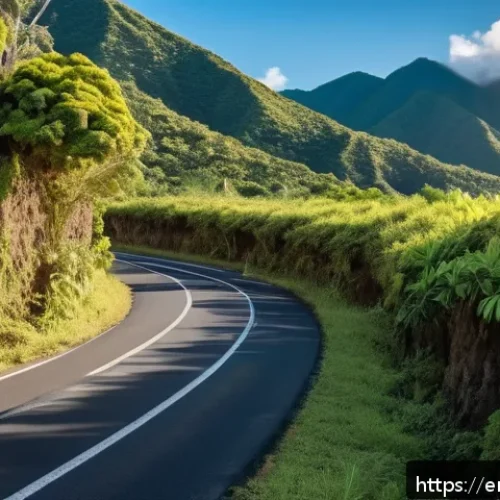
누벨칼레도니 최적의 여행 시기 - **A vibrant scene capturing the essence of New Caledonia's dry season, showcasing outdoor adventure....

Hey there, fellow adventurers and dreamers! If you’ve been scrolling through breathtaking photos of turquoise lagoons and lush islands, chances are New Caledonia has popped up on your radar.

누벨칼레도니 최적의 여행 시기 관련 이미지 1

This incredible South Pacific gem truly is a slice of paradise, offering a unique blend of French charm and Melanesian culture that I just adore. After experiencing its magic firsthand, I can tell you that timing your visit perfectly can make all the difference, transforming a great trip into an absolutely unforgettable one.

You want that sweet spot, right? The kind where the sun smiles down, the water is just right, and every moment feels like a postcard. Let’s dive into how you can hit that ideal window for your New Caledonia escape.

Embracing the Best Seasons for Your Caledonian Adventure

Okay, so you’re itching to visit New Caledonia, and I totally get it – the pictures alone are enough to make you pack your bags! But here’s a little secret I learned from my own travels there: timing is everything. While this beautiful South Pacific jewel truly offers something year-round, hitting that sweet spot climate-wise can elevate your trip from “great” to “absolutely phenomenal.” I’m talking about those perfect days when the sun shines bright, the humidity is a distant memory, and every outdoor activity feels like pure bliss. From my experience, understanding the local seasons is key to unlocking the New Caledonia you’ve been dreaming of. We’re looking for that ideal balance for soaking up the sun, exploring the vibrant underwater world, and simply enjoying the island life without unexpected downpours or sweltering heat. Let’s dig into what I found makes for the most memorable visits, because trust me, you want those postcard-perfect moments every single day.

The Sweet Spot: Dry Season Delights

For me, the absolute prime time to visit New Caledonia is during its dry season, which generally stretches from May to October. This period truly delivers on that idyllic South Pacific dream. Picture this: consistent sunshine, pleasantly warm temperatures averaging around 20-26°C (68-79°F), and a wonderful absence of the heavy, sticky humidity that can sometimes accompany tropical destinations. It’s truly a breath of fresh air, making every outdoor adventure not just possible, but incredibly enjoyable. I distinctly remember long, comfortable days exploring the breathtaking landscapes, where the air felt crisp and the breezes were just perfect. This is when the island truly shines for activities like hiking through Blue River Provincial Park or simply lounging on a pristine beach without a care in the world. The lower rainfall means clearer skies and comfortable conditions all around, making it a fantastic choice for those who want to maximize their time outdoors. You’ll find fewer disruptions to your plans, and the overall vibe is just more relaxed and inviting.

Shoulder Season’s Hidden Charms

If you ask me, the shoulder months, particularly September, October, and November, are New Caledonia’s best-kept secret. This is where you really hit the jackpot for pleasant weather and fewer crowds, giving you a more intimate and often more affordable experience. September often boasts some of the driest conditions of the year, and I’ve found the water temperatures during this time to be just right for swimming and snorkeling without needing a wetsuit, though if you’re like me and get a bit chilly, a light one can be nice. October and November are fantastic inter-season months, giving you an abundance of sunshine and those wonderfully mild spring temperatures that are just perfect for exploring. I personally loved visiting in late October; the weather was impeccable, and I felt like I had some of the most beautiful spots almost entirely to myself. You’re catching the tail end of the dry season or the very beginning of the transition, so you still get excellent conditions for all sorts of activities, from sailing across the lagoon to discovering hidden coves, but without the hustle and bustle of peak tourist times. This makes for smoother travels, easier bookings for excursions, and a more relaxed pace overall, which, let’s be honest, is what a true island getaway is all about.

Underwater Wonders: Diving and Snorkeling Nirvana

Oh, if you’re anything like me and live for the underwater world, New Caledonia is going to blow your mind. The lagoons are a UNESCO World Heritage site for a reason, brimming with vibrant coral and an incredible array of marine life. I’ve been fortunate enough to dive in many places around the globe, and New Caledonia’s visibility and biodiversity truly stand out. What’s fantastic is that diving and snorkeling are pretty much year-round activities here. However, based on my experiences and chatting with local dive masters, certain times offer slightly better conditions for different sightings. For instance, if you’re like me and love those crystal-clear visuals, you’ll find the visibility to be absolutely phenomenal from November right through to May, with some reports even suggesting up to 30-100 feet. The water during these months is also wonderfully warm, often ranging from 27 to 30°C (81-86°F), making it super comfortable for long dives without much thermal protection. But even if you visit during the cooler dry season from June to August, don’t fret! While the water might be a tad cooler, hovering around 22-26°C (72-79°F), the visibility can be even better, sometimes reaching an astonishing 30 to 40 meters. This cooler period is also fantastic for spotting specific marine life like manta rays and sharks, especially from March through September, and I’ve even heard tales of groupers aggregating in Dumbea Passage in late November and early December for mating season – talk about a spectacle! So, whether you’re a seasoned diver chasing pelagics or a beginner eager to explore the colorful reefs, New Caledonia’s underwater world truly delivers.

Marine Life Spectacles

For those truly special encounters beneath the waves, I’ve found that certain months can increase your chances of witnessing New Caledonia’s most impressive marine spectacles. If seeing majestic humpback whales is on your bucket list, then planning your trip between July and September is absolutely essential. I’ll never forget the thrill of seeing them breach in the distance during a boat trip – it’s an experience that truly connects you to the raw beauty of nature. And if you’re a shark enthusiast, you’re in for a treat! The Boulari Pass, near Amédée Island, is renowned for year-round encounters with manta rays, and you’ll likely spot grey reef sharks, whitetips, and even leopard sharks, with concentrations of grey reef sharks particularly notable in June. The diversity of marine life here is simply astounding. Beyond the big stuff, the healthy coral reefs are teeming with smaller, equally fascinating creatures. I’ve spent hours simply hovering over a patch of coral, mesmerized by the intricate dance of tropical fish, colorful nudibranchs, and even spotted a pygmy seahorse once – an absolute highlight for me as a diver! The marine ecosystem here is so vibrant and healthy, it feels like stepping into a living, breathing aquarium. So, whether it’s the thrill of seeing a shark or the quiet joy of observing a tiny seahorse, New Caledonia’s waters promise unforgettable moments.

Advertisement

Avoiding the Tropical Downpour: Navigating the Wet Season

Now, let’s talk about the wet season, which generally runs from November to April, though you’ll hear it often referred to as the hot and rainy season from late December to late March. It’s easy to look at the words “wet” and “rainy” and immediately think, “Nope, not for me!” But hold on, because there’s more to it than just precipitation. While you can expect higher temperatures, often reaching averages of 30-35°C (86-95°F), and a significant increase in humidity, this season has its own unique charm. Yes, tropical thunderstorms and heavy downpours are a common occurrence, especially between January and March, which is also the peak cyclone season. I’ve experienced some truly torrential rain during a late December visit, but here’s the thing: these showers are often short-lived and intense, giving way to sunshine and leaving behind a landscape that is incredibly lush and vibrantly green. Waterfalls are at their most spectacular, cascading powerfully after the rain, and the air feels incredibly fresh and clean. If you’re someone who appreciates dramatic scenery and doesn’t mind an occasional tropical shower, this could actually be a fantastic time to visit. Plus, a huge bonus? Fewer tourists! This means more tranquility, easier access to popular sites, and often, more attractive prices on flights and accommodation. I always advise checking local weather advisories if you plan to travel during these months, especially for cyclone warnings, but honestly, the trade-off of stunning green landscapes and peaceful exploration can be well worth it.

Embracing Off-Peak Perks and Lush Landscapes

For the savvy traveler or anyone looking for a more serene experience, the wet season (or low season, as some call it, from January to June, or November to mid-December and February to April) truly offers some compelling benefits. I’ve found that traveling during these times can significantly reduce your overall costs, with better deals on everything from flights to hotels. And let’s not forget the pure joy of visiting popular attractions without the usual crowds! Imagine having a pristine beach largely to yourself, or exploring a cultural center with ample space to truly soak everything in. The landscape itself undergoes a magnificent transformation, becoming incredibly verdant and alive. For photographers, this period is a dream, as the saturated colors of the foliage and the powerful waterfalls create truly stunning visual opportunities. While some outdoor activities might require a bit more flexibility due to intermittent rain, there are still plenty of fantastic indoor experiences to enjoy, like immersing yourself in Kanak culture at the Tjibaou Cultural Centre in Nouméa or simply indulging in the incredible fusion of French and Melanesian cuisine. It’s a different kind of New Caledonia, perhaps less focused on endless sunshine and more on rich cultural immersion and natural beauty at its most vibrant. I always felt a deeper connection to the local life and rhythms when I visited during these quieter periods.

Festivals and Cultural Immersion: A Calendar of Joy

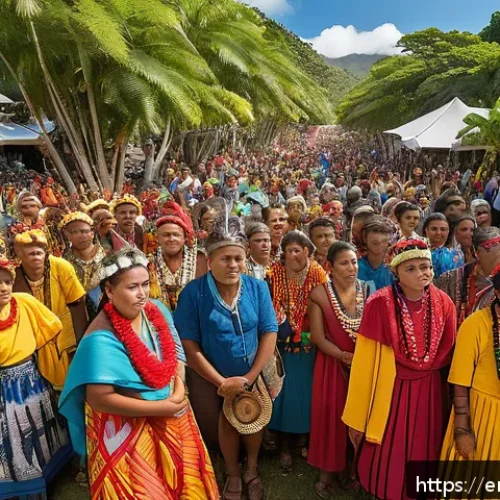
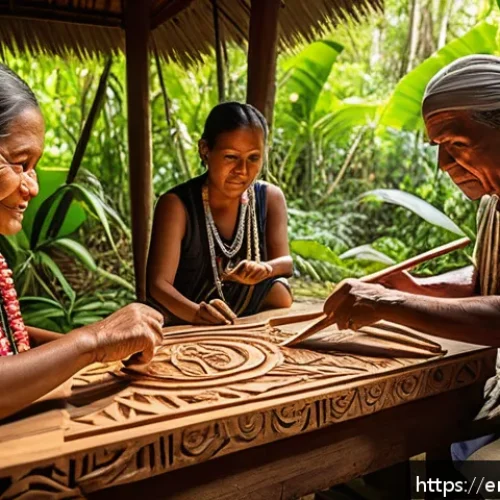
Beyond the weather, sometimes the best time to visit a place is when its cultural heart beats the loudest, and New Caledonia is no exception! This archipelago is a melting pot of French elegance and rich Melanesian traditions, and its event calendar is packed year-round with festivals that offer a truly unique insight into local life. I always try to align at least part of my trip with a local celebration because there’s nothing quite like experiencing the vibrant energy and warmth of the community firsthand. Think lively music, traditional dances, incredible food, and colorful parades that truly showcase the spirit of the islands. For instance, if you’re traveling during the dry season, specifically around August, you might catch the famous Bourail Fair, a huge agricultural show that’s a fantastic glimpse into rural Caledonian life. And if you’re a foodie, keep an eye out for the Avocado Festival or the Vanilla Festival, which are just delicious celebrations of local produce.

Experiencing Local Traditions and Events

The cultural calendar in New Caledonia is surprisingly diverse, meaning there’s usually something exciting happening no matter when you decide to go. I’ve always been drawn to festivals that highlight local arts and music. For example, the Francofolies Festival brings international and local music acts, blending French cultural heritage with Pacific rhythms. And then there’s the unique Black Woodstock Festival, typically held around late October to early November, which offers a truly memorable music and cultural experience in a lush, natural setting. Beyond the big festivals, you’ll also find smaller, equally enriching events throughout the year, from local craft markets where you can find incredible artisanal products to traditional ceremonies that offer a deeper understanding of Kanak customs. I love wandering through these markets, chatting with local artisans, and finding unique souvenirs that tell a story. It’s not just about what you see, but the connections you make and the stories you hear. These events are fantastic opportunities to try authentic local dishes, too – think fresh seafood, tropical fruits, and a fusion of flavors you won’t find anywhere else. To truly experience the heart and soul of New Caledonia, immersing yourself in its cultural celebrations is an absolute must-do.

Advertisement

Optimizing Your Activities: What Each Season Offers

Choosing the best time to visit New Caledonia really boils down to what you’re hoping to experience. Are you a sun worshipper, an avid hiker, or someone who dreams of underwater exploration? Each season here rolls out a different red carpet for different types of adventures, and I’ve found it super helpful to consider my priorities before booking my flights. If you’re anything like me and love spending every possible moment outdoors, trekking through stunning landscapes, or diving into crystal-clear waters, then the dry season from May to October is going to be your absolute sweet spot. This is when the hiking trails are at their best – dry, less slippery, and with cooler temperatures that make those scenic climbs much more enjoyable. Think panoramic views of the lagoon and the Central Mountain Range without breaking too much of a sweat. And for water sports enthusiasts like windsurfers and kitesurfers, the consistent trade winds during this period make it an ideal destination year-round, ensuring perfect conditions for catching some waves or soaring across the water.

Tailoring Your Trip to Seasonal Highlights

I always tell fellow travelers that New Caledonia is incredibly versatile, but a little planning goes a long way to ensure your trip aligns with your dream activities. For instance, if you’re keen on exploring the vast UNESCO World Heritage lagoons, snorkeling, or diving, the dry season offers fantastic visibility and comfortable water temperatures. However, if you’re a diver primarily focused on spotting larger pelagic species like sharks and manta rays, the period from March through September gives you some of the best chances. For those who love a bit of adrenaline, aerial activities like paramotoring, paragliding, or even skydiving are available year-round, provided the winds are moderate. Even during the wetter months, there are unique opportunities. The lush landscapes become a hiker’s paradise, with vibrant flora and fauna, and the spectacular waterfalls are at their peak. And let’s not forget whale watching season from July to September – an absolute highlight for any nature lover! So, whether you’re chasing marine giants, conquering mountain trails, or simply soaking up the sun, there’s a perfect window in New Caledonia waiting for you.

Budget-Friendly Travel: Maximizing Your Dollars

Let’s be real, a trip to paradise can sometimes come with a hefty price tag, but I’ve learned a few tricks to make New Caledonia more accessible for all budgets. One of my favorite strategies is to travel during the off-peak seasons. This is when you can really stretch your dollars further, finding fantastic deals on flights and accommodation that might be out of reach during the busiest times. The wet season, specifically from January to April, and then again from November to mid-December, generally sees fewer tourists. This translates directly into lower prices across the board. I’ve personally saved a significant amount on hotel stays by being flexible with my travel dates and opting for these quieter periods. While the weather might be a bit more unpredictable with occasional rain, the financial savings can be substantial, allowing you to allocate more of your budget to experiences, delicious food, or perhaps even extending your stay a little longer. It’s a trade-off that, in my opinion, is often well worth it, especially if you’re keen to explore without the pressure of crowded spots and high season rates.

누벨칼레도니 최적의 여행 시기 관련 이미지 2

Navigating Peak Seasons and Saving Smart

The peak tourist seasons in New Caledonia typically align with school holidays in Australia, New Zealand, and France – think December and January, and again in July and August. During these times, demand is high, and prices for everything from flights to excursions tend to climb. If your travel dates are fixed to these periods, don’t despair! You can still be a savvy traveler. My go-to advice is to book well in advance, sometimes as much as three to six months ahead. This gives you the best chance of snagging decent fares and securing your preferred accommodations before they’re fully booked or prices skyrocket. I also always recommend looking into package deals that bundle flights, hotels, and sometimes even car rentals. These can often offer significant savings compared to booking each component separately. Beyond that, embrace local transportation options where possible, enjoy the fantastic free activities like hiking and exploring stunning beaches, and definitely indulge in the incredible local cuisine at markets and smaller eateries rather than always dining at resort restaurants. Eating like a local is not only budget-friendly but also a truly authentic cultural experience. A little planning and flexibility can make your New Caledonian dream a reality without breaking the bank.

Month Season Average Temp (°C/°F) Typical Rainfall Key Activities/Notes
January Wet/Hot 26°C / 79°F High (18 rainy days) Lush landscapes, waterfalls, fewer crowds, potential cyclone risk.
February Wet/Hot 27°C / 81°F Highest (140-183mm) Hottest & wettest, peak cyclone risk, good for marine life if conditions allow.
March Wet/Hot 27°C / 81°F High (17 rainy days) Very wet, high humidity, lush scenery, diving visibility can be affected.
April Transition 26°C / 79°F Medium (decreasing) Transition to dry, decreasing rain, pleasant temperatures, good value.
May Dry/Cooler 24°C / 75°F Low (12 rainy days) Beginning of dry season, comfortable temps, good for outdoor activities.
June Dry/Cooler 22°C / 72°F Low (10 rainy days) Mild & pleasant, excellent for hiking, less crowded, good shark sightings.
July Dry/Cooler 21°C / 70°F Lowest (9 rainy days) Coolest month, ideal for hiking, whale watching season begins.
August Dry/Cooler 21°C / 70°F Lowest (8 rainy days) Cool and dry, perfect for outdoor sports, Bourail Fair.
September Dry/Shoulder 22°C / 72°F Very Low (7 rainy days) Driest month, pleasant temperatures, excellent for all activities, Avocado Festival.
October Dry/Shoulder 24°C / 75°F Low (8 rainy days) Highly recommended, sunny & pleasant, minimal rain, ideal for diving.
November Transition/Wet 25°C / 77°F Medium (11 rainy days) Good visibility for diving, pleasant pre-wet season, Black Woodstock.
December Wet/Hot 27°C / 80°F Medium (14 rainy days) Festive season, warm & humid, good sunshine hours, groupers aggregate for mating.
Advertisement

Concluding Thoughts

Well, there you have it, folks! New Caledonia is truly a destination that captures your heart, offering a unique blend of breathtaking natural beauty and vibrant culture. My hope is that this guide helps you pinpoint the absolute best time for your adventure, ensuring you create memories that will last a lifetime. No matter when you choose to visit, this stunning archipelago promises an unforgettable journey. Just remember to pack your sense of adventure and get ready to be amazed!

Useful Tips to Know

1. Book Your Accommodations and Flights Early, Especially During Peak Season: New Caledonia is a popular spot, particularly during Australian, New Zealand, and French school holidays (December/January, July/August). Booking well in advance ensures you get the best selection and often better prices.

2. Embrace the Local Cuisine and Markets: Don’t stick to resort dining! Venture out to local markets and smaller eateries to savor the incredible fusion of French and Melanesian flavors. It’s not only delicious but also a fantastic way to immerse yourself in the local culture and save some money.

3. Pack Smart for the Tropics: Regardless of the season, lightweight, breathable clothing is a must. During the wet season, a light rain jacket and insect repellent are your best friends. Always remember sunscreen, a hat, and good walking shoes for exploring.

4. Learn a Few French Phrases: While English is spoken in tourist areas, a few basic French phrases (like “Bonjour,” “Merci,” “S’il vous plaît”) can go a long way in showing respect and enhancing your interactions with locals. It’s always appreciated!

5. Stay Hydrated and Protect Yourself from the Sun: The tropical sun can be intense. Drink plenty of water throughout the day, reapply sunscreen regularly, and seek shade during the hottest parts of the day, especially between 11 AM and 3 PM.

Advertisement

Key Takeaways

Ultimately, your perfect New Caledonian escape hinges on what you prioritize. If uninterrupted sunshine, comfortable temperatures, and prime conditions for hiking and outdoor exploration are at the top of your list, then the dry season, running from May to October, is your golden ticket. This period ensures those postcard-perfect days with minimal rainfall and lower humidity, making every adventure from scaling scenic trails to simply relaxing on the beach pure bliss. It’s also often a fantastic time for underwater visibility, making snorkeling and diving truly spectacular, though dedicated divers seeking specific pelagics might find certain months year-round offering unique opportunities. On the flip side, embracing the wet season, especially from January to April, can offer incredible value with fewer crowds and the chance to witness the island’s lush landscapes at their most vibrant, with dramatic waterfalls and a deeply authentic cultural immersion, provided you’re prepared for intermittent tropical showers. My personal experience has taught me that regardless of when you go, a little planning around local festivals and considering off-peak travel for budget benefits will make your trip even richer. New Caledonia is a treasure, and with these insights, you’re all set to discover its magic on your own terms, creating a personalized adventure that perfectly matches your travel style.

Frequently Asked Questions (FAQ) 📖

Q: When’s the absolute best time to plan my New Caledonia getaway for perfect weather?

A: From my own adventures and what I’ve heard from countless other travelers, the sweet spot for visiting New Caledonia is definitely during its dry season, which generally runs from May to October.
This is when the islands truly shine with comfortable temperatures, lower humidity, and minimal rainfall. Think endless sunny days, clear blue skies, and gentle breezes – absolutely idyllic for soaking up the sun on pristine beaches or exploring the stunning landscapes.
I remember one September trip where the weather was just flawless every single day, perfect for everything from leisurely strolls to more active excursions.
It’s truly a time when the entire archipelago feels like it’s putting on its best show for you.

Q: Are there any times of year I should steer clear of, or things I should know about the ‘off-season’?

A: While New Caledonia is beautiful year-round, there are certainly a few things to keep in mind, especially if you’re sensitive to heat or heavy rain. The wet season typically kicks in from November to April, and this is when temperatures climb into the 30s°C (80s°F), and the humidity can be quite high.
You’ll also encounter more frequent and heavier rainfall, and it’s also the period for tropical cyclones, especially from February to April. I’ve personally experienced some dramatic downpours in February, and while they can be refreshing and make the landscapes incredibly lush, they can also disrupt outdoor plans.
On the flip side, traveling during this “low season” often means fewer crowds and potentially better deals on flights and accommodation, so if you don’t mind a bit of heat and humidity, it can still be a fantastic, and perhaps more budget-friendly, option!
Plus, the rain usually comes in bursts, so there’s still plenty of sunshine to enjoy.

Q: I’m really into diving, hiking, or experiencing local festivals – when’s the prime time to visit for those specific experiences?

A: If you’re looking to tailor your trip to specific activities, timing is everything! For diving and snorkeling, the dry season from May to October is fantastic.
The waters are clearer, calmer, and visibility is generally superb, often exceeding 30 meters. I’ve had some of my most breathtaking underwater experiences during these months, encountering vibrant marine life and stunning coral reefs.
The water might be a touch cooler, around 22-26°C (72-79°F), but a wetsuit makes it perfectly comfortable. For hiking enthusiasts, the cooler, drier months, roughly June to October, are absolutely ideal.
The trails, like those in Blue River Provincial Park or Mont-Dore, are less slippery, and the temperatures are much more agreeable for strenuous activity.
I personally found July to be perfect for long treks without feeling overwhelmed by heat. As for cultural festivals, New Caledonia has a lively calendar throughout the year!
While many events pop up, you’ll often find a good concentration of local fairs and celebrations during the drier, more temperate months, especially around May-June and September-October, when the weather is comfortable for outdoor gatherings.
Always check the local tourism calendar closer to your travel dates, but if you want to soak up those vibrant cultural vibes under a pleasant sun, those shoulder seasons are usually a safe bet!