Discovering Kanak Heritage The Rich Traditions and Art of New Caledonia’s Indigenous People

webmaster

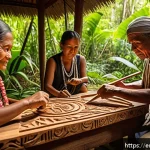
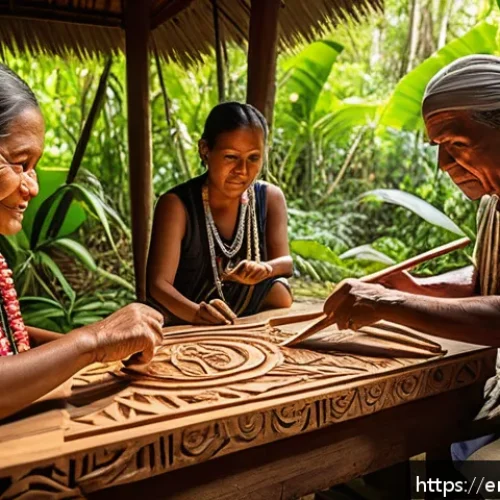
누벨칼레도니 원주민 문화 - A detailed scene of Kanak artisans engaged in traditional woodcarving outdoors, surrounded by lush N...

As the world grows more interconnected, uncovering the unique cultures that shape our global heritage becomes ever more important. Recently, there’s been a surge of interest in indigenous traditions, shining a spotlight on communities like the Kanak people of New Caledonia.

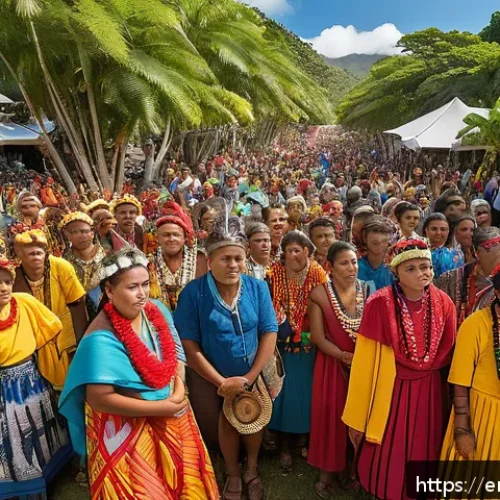
누벨칼레도니 원주민 문화 관련 이미지 1

Their vibrant art and deep-rooted customs tell stories that have been passed down for generations, offering a fascinating glimpse into a culture both ancient and alive.

Join me as we explore the rich heritage of the Kanak people—a journey that reveals not just history, but the enduring spirit of identity and creativity.

This is more than just a cultural dive; it’s a celebration of resilience and beauty that deserves to be shared widely.

Living Traditions: The Art of Storytelling Through Craft

Woodcarving as a Cultural Language

Among the Kanak people, woodcarving is not just an art form; it’s a vibrant language that communicates ancestral stories and spiritual beliefs. Each carving embodies symbols that have been passed down through countless generations, reflecting the community’s relationship with nature, history, and identity.

What’s fascinating is how these pieces serve as a visual narrative—carved with precision yet charged with emotion—that connects the past with the present.

When I saw these carvings firsthand, I felt as though the figures were alive, speaking silently to anyone willing to listen. The intricate patterns often represent clan lineages or legendary heroes, making every piece a repository of cultural memory.

Textiles: Weaving Identity and Nature

Textile weaving among the Kanak is a mesmerizing blend of practicality and symbolism. Using natural fibers sourced from their environment, artisans create mats and clothing that are both functional and ceremonial.

The weaving patterns frequently mirror the natural world—waves, leaves, and animals—serving as metaphors for life’s interconnectedness. I was struck by how these textiles are more than decorative; they’re a living archive of identity, woven with stories of survival and community cohesion.

The process itself is meditative, often accompanied by songs and rituals that deepen the cultural significance of the craft.

The Role of Body Art in Social Expression

Body art, including tattoos and body painting, plays a crucial role in Kanak society, marking rites of passage, social status, and spiritual protection.

The designs are unique to each individual’s clan and personal journey, making the body a canvas of cultural expression. Experiencing this tradition, I learned how these markings are not merely decorative but deeply symbolic, representing courage, belonging, and resilience.

The process is communal and sacred, often involving elders who impart wisdom alongside the artistry. This intimate tradition highlights how identity is worn proudly and visibly, reinforcing social bonds and ancestral connections.

Advertisement

Spirituality and Connection to the Land

Belief Systems Rooted in Nature

The Kanak worldview is profoundly connected to the land, seeing it as a living entity imbued with spiritual essence. Their belief system revolves around respect for natural forces, ancestors, and the cyclical rhythms of life.

This deep reverence manifests in daily practices and ceremonies that honor the environment as a source of life and wisdom. I found it humbling how every tree, river, and mountain holds sacred significance, shaping not just spiritual life but the community’s approach to sustainability and coexistence.

Ceremonies as Bridges Between Worlds

Ceremonial life for the Kanak is a vital bridge between the physical and spiritual realms. Rituals often involve music, dance, and offerings that invite ancestral presence and blessings.

These gatherings are not only expressions of faith but also opportunities to reaffirm social ties and collective identity. Observing a Kanak ceremony, I felt enveloped by a profound sense of unity and continuity—an experience that transcends time and space.

The ceremonies are carefully preserved traditions that keep the community grounded and resilient amid modern challenges.

Symbolism of Sacred Sites

Sacred sites across New Caledonia are more than just geographical locations; they are living testimonies of the Kanak heritage. These places—mountains, groves, caves—are custodians of stories and spiritual power.

Visiting these sites, I realized how they act as anchors for cultural memory and identity, places where past and present meet in reverence. Protecting these sacred spaces is a communal responsibility, highlighting the Kanak commitment to preserving their heritage against external pressures.

Advertisement

Music and Dance: Heartbeat of the Community

Traditional Instruments and Their Stories

Music in Kanak culture is a vibrant expression of history and emotion, with traditional instruments such as the wooden flute and slit drum creating hauntingly beautiful sounds.

Each instrument carries its own story and purpose, often used in ceremonies, storytelling, and social gatherings. Listening to these melodies, I was moved by their ability to convey joy, sorrow, and hope without a single word.

The communal nature of music-making reinforces social bonds, inviting participation and shared experience.

Dance as a Living History

Dance is more than movement for the Kanak—it’s a living history that captures the community’s spirit and values. The choreography often tells stories of creation, migration, or heroic deeds, with every gesture steeped in meaning.

I noticed how dancers wear traditional attire that enhances the narrative, blending colors and textures that reflect the natural world. Watching a Kanak dance unfold, I felt transported into a narrative that’s both personal and universal, a celebration of resilience and identity in motion.

The Role of Song in Preserving Language

Kanak songs serve as crucial vessels for preserving their indigenous languages, many of which face the threat of extinction. The lyrics often recount historical events, myths, and moral lessons, helping younger generations connect with their roots.

Hearing these songs performed live was a powerful reminder of language’s role in cultural survival. The melodies carry not just words but the collective memory and soul of the Kanak people, making music a vital tool for cultural continuity.

Advertisement

Social Structures and Community Life

Clan Systems and Governance

Kanak society is organized around clans, each with its own leadership, traditions, and responsibilities. This system fosters a strong sense of belonging and mutual support, guiding social interactions and decision-making.

I found it fascinating how governance is deeply intertwined with cultural values and spiritual beliefs, ensuring that leadership is both practical and symbolic.

Clan elders play a pivotal role in maintaining harmony, mediating conflicts, and passing down wisdom, reinforcing the community’s resilience.

Role of Elders and Storytellers

Elders are revered as the guardians of knowledge and tradition within the Kanak community. Their role as storytellers is crucial, as they transmit oral histories, customs, and ethical teachings to younger generations.

I observed how storytelling sessions are lively, interactive affairs, often involving humor, drama, and music that engage listeners. This oral tradition is a cornerstone of Kanak identity, ensuring that cultural wisdom remains vibrant and accessible.

Community Celebrations and Their Significance

Festivals and communal gatherings are essential for reinforcing social bonds and cultural pride among the Kanak people. These events showcase traditional food, dance, music, and crafts, creating spaces for joy and cultural exchange.

Participating in one such celebration, I experienced firsthand the warmth and hospitality that define Kanak community life. These occasions are also opportunities to educate outsiders, fostering understanding and respect for Kanak heritage.

Advertisement

Preservation Efforts and Contemporary Challenges

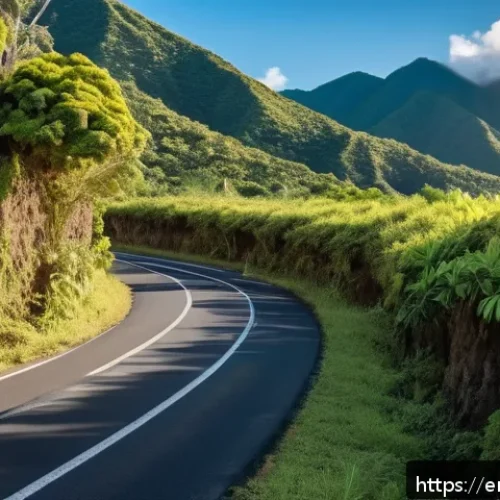
누벨칼레도니 원주민 문화 관련 이미지 2

Language Revitalization Initiatives

With many Kanak languages endangered, various grassroots and governmental efforts aim to revitalize and preserve linguistic heritage. Schools and cultural centers now incorporate Kanak languages into their curricula, promoting bilingual education.

I was impressed by the passionate commitment of young Kanak activists who use modern media to spread awareness and pride in their mother tongues. These initiatives are vital lifelines for cultural survival in an increasingly globalized world.

Balancing Tradition and Modernity

The Kanak community faces the ongoing challenge of maintaining traditional ways amid rapid modernization and external influences. I noticed how many individuals skillfully navigate this balance, embracing technology and education while honoring ancestral customs.

This dynamic interplay fosters innovation within tradition, allowing Kanak culture to remain relevant and vibrant. It’s inspiring to see how resilience and adaptability go hand in hand in preserving identity.

Impact of Tourism and Cultural Exchange

Tourism offers both opportunities and risks for the Kanak people. On one hand, it provides economic benefits and a platform to share their culture globally.

On the other, it demands careful management to avoid commodification or misrepresentation. Through my conversations with local guides and artisans, I learned how the community prioritizes authenticity and respect, ensuring that cultural exchange enriches rather than exploits.

Sustainable tourism is seen as a pathway to empowerment and cultural pride.

Advertisement

Kanak Heritage: A Snapshot of Traditions and Practices

Aspect Description Significance
Woodcarving Intricate carvings representing ancestors, legends, and clan symbols Preserves history and spiritual beliefs; a visual storytelling medium
Textile Weaving Mats and clothing made from natural fibers with symbolic patterns Expresses identity and connection to nature; used in ceremonies
Body Art Tattoos and body painting unique to clan and personal milestones Marks social status, rites of passage, and spiritual protection
Music and Dance Traditional instruments and choreographed storytelling dances Preserves language and history; strengthens community bonds
Clan Governance Leadership by elders with cultural and spiritual authority Maintains social order and transmits cultural values
Language Revitalization Educational programs and media promoting Kanak languages Ensures cultural continuity and identity preservation
Advertisement

Traditional Cuisine and Its Cultural Roots

Ingredients from the Land and Sea

Kanak cuisine is deeply tied to the environment, relying on fresh ingredients like yams, taro, seafood, and tropical fruits. These foods are gathered and prepared following ancestral knowledge that respects seasonal cycles and sustainability.

When I tasted traditional Kanak dishes, I was amazed at the simplicity and richness of flavors, which tell stories of place and heritage. This connection to the land through food strengthens community bonds and honors the natural world that sustains them.

Communal Cooking and Sharing

Food preparation is often a communal affair, where families and neighbors come together to cook and share meals during celebrations and everyday life.

The act of sharing food reinforces social ties and hospitality, key values in Kanak society. I experienced firsthand how mealtime is more than nourishment—it’s a ritual of connection, generosity, and cultural affirmation that brings people closer together.

Ceremonial Foods and Their Meaning

Certain dishes hold special significance in rituals and ceremonies, symbolizing abundance, gratitude, and spiritual blessings. These foods are prepared with great care and respect, often involving traditional cooking methods like earth ovens.

Participating in a ceremonial feast, I realized how food serves as a powerful medium of cultural expression, linking the physical and spiritual worlds while celebrating community resilience.

Advertisement

Educational Pathways for Cultural Transmission

Community Schools and Cultural Curriculum

Kanak communities have established schools that integrate indigenous knowledge alongside formal education, ensuring that children learn both academic subjects and cultural heritage.

I was impressed by how these schools incorporate storytelling, traditional crafts, and language lessons, creating a holistic learning environment. This approach empowers youth to navigate modern society without losing touch with their roots.

Mentorship and Apprenticeship Programs

Elders and skilled artisans actively mentor younger generations, passing down specialized skills such as carving, weaving, and oral history. These apprenticeship programs foster intergenerational bonds and hands-on learning.

Observing such mentorship, I witnessed the pride and dedication involved in keeping traditions alive, with young learners eager to embrace their cultural responsibilities.

Use of Digital Media for Cultural Education

Modern technology is increasingly used to document and share Kanak culture through videos, apps, and online platforms. This digital turn makes cultural education accessible to wider audiences, including diaspora communities.

I found it encouraging how the fusion of tradition and technology creates new opportunities for cultural preservation and innovation, inspiring a global appreciation of Kanak heritage.

Advertisement

In Conclusion

The rich traditions of the Kanak people reveal a profound connection between culture, nature, and community. Through storytelling in crafts, ceremonies, and daily practices, they keep their heritage alive and meaningful. Experiencing these traditions firsthand highlights the resilience and creativity that sustain their identity today. Embracing both ancestral wisdom and modern innovations, the Kanak continue to inspire a deeper appreciation of cultural preservation.

Advertisement

Useful Information to Know

1. Kanak woodcarving is a symbolic language that visually tells stories of ancestry and spirituality, making each piece deeply meaningful.

2. Traditional textile weaving uses natural fibers and patterns inspired by nature, serving both practical and ceremonial purposes.

3. Body art such as tattoos and body painting marks important social and spiritual milestones, reflecting individual and clan identities.

4. Music and dance are vital cultural expressions, preserving language and history while strengthening social bonds.

5. Modern efforts like language revitalization and digital education help ensure the survival of Kanak culture amid changing times.

Key Takeaways

Kanak culture thrives through a delicate balance of honoring ancestral traditions and adapting to contemporary life. Their crafts, rituals, and social systems serve as living expressions of identity and community resilience. Active preservation efforts, including education and sustainable tourism, play a crucial role in maintaining this vibrant heritage. Understanding and respecting these cultural dynamics is essential for supporting the Kanak people’s ongoing journey.

Frequently Asked Questions (FAQ) 📖

Q: Who are the Kanak people and where do they live?

A: The Kanak people are the indigenous inhabitants of New Caledonia, a group of islands in the South Pacific. They have a rich cultural heritage that dates back thousands of years and are known for their strong connection to the land and ocean.
Their communities are primarily found on the main island, Grande Terre, where they continue to practice traditional customs and maintain their unique identity despite modern influences.

Q: What makes Kanak art and culture unique?

A: Kanak art is deeply symbolic and closely tied to their spiritual beliefs and social structures. Their craftsmanship includes intricate wood carvings, woven baskets, and vibrant ceremonial costumes, each telling stories of their ancestors and natural surroundings.
What struck me most when learning about their culture is how these artistic expressions are not just decorative but serve as living records of history, identity, and community values passed down through generations.

Q: How is the Kanak culture being preserved and shared today?

A: Preservation efforts include cultural festivals, museums, and educational programs that actively engage both Kanak youth and visitors. I’ve noticed that many Kanak communities are revitalizing traditional practices such as dance, music, and language instruction to keep their heritage alive.
Sharing their culture through tourism and international events also helps raise awareness, fostering respect and appreciation worldwide while empowering the Kanak people to celebrate their resilience and creativity.

📚 References


➤ Link

– Google Search

➤ Link

– Bing Search

➤ Link

– Google Search

➤ Link

– Bing Search

➤ Link

– Google Search

➤ Link

– Bing Search

➤ Link

– Google Search

➤ Link

– Bing Search

➤ Link

– Google Search

➤ Link

– Bing Search

➤ Link

– Google Search

➤ Link

– Bing Search

➤ Link

– Google Search

➤ Link

– Bing Search

➤ Link

– Google Search

➤ Link

– Bing Search

➤ Link

– Google Search

➤ Link

– Bing Search