Dreaming of escaping to a tropical paradise? New Caledonia often pops up on those “must-visit” lists with its stunning lagoons and vibrant culture, promising an unforgettable getaway.
But when you’re planning an adventure to such an exotic locale, it’s only natural for your mind to drift to the practicalities, right? Specifically, many of us start wondering, “Just how safe is it really?” I’ve been doing a deep dive into what travelers are experiencing right now, trying to uncover the true picture beyond the glossy brochures.
It’s crucial to feel secure and informed before packing your bags, especially with how quickly things can change in any destination. Let’s get to the bottom of New Caledonia’s current safety landscape and crime rates to ensure your trip is as worry-free as it is wonderful!
We’ll explore exactly what you need to know to make smart travel choices. Dreaming of escaping to a tropical paradise? New Caledonia often pops up on those “must-visit” lists with its stunning lagoons and vibrant culture, promising an unforgettable getaway.
But when you’re planning an adventure to such an exotic locale, it’s only natural for your mind to drift to the practicalities, right? Specifically, many of us start wondering, “Just how safe is it really?” I’ve been doing a deep dive into what travelers are experiencing right now, trying to uncover the true picture beyond the glossy brochures.
It’s crucial to feel secure and informed before packing your bags, especially with how quickly things can change in any destination. While serious crime against tourists has traditionally been rare, recent civil unrest in May 2024 has introduced new considerations for travelers, with an increased police presence and potential for restrictions.
Petty crime like pickpocketing and bag snatching can still occur, particularly in Nouméa and isolated areas after dark. Let’s get to the bottom of New Caledonia’s current safety landscape and crime rates to ensure your trip is as worry-free as it is wonderful!
We’ll explore exactly what you need to know to make smart travel choices.
Ah, New Caledonia! What a captivating destination, right? I totally get why you’d be dreaming of those turquoise lagoons and the vibrant culture.
I’ve had my eye on this Pacific gem for a while now, and like you, before I even *think* about packing my favorite swimsuits, safety is always at the top of my mind.
We’ve all seen the headlines about the civil unrest that rocked the islands in May 2024, and it’s only natural to wonder what that means for us as travelers.
I’ve been digging deep, looking past the glossy travel brochures to understand what’s really happening on the ground. So, let’s peel back the layers and uncover the current safety landscape, crime rates, and exactly what you need to know to make your trip to New Caledonia as worry-free as it is wonderful!
Navigating the Urban Landscape: Safety in Nouméa and Beyond
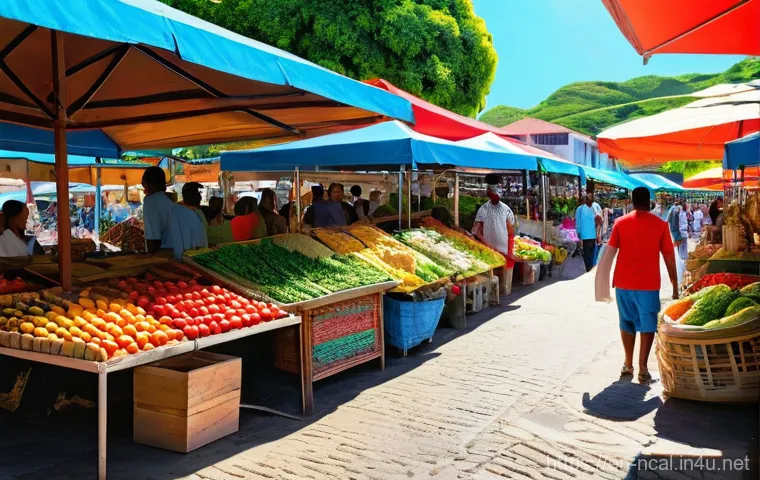
When you first arrive in New Caledonia, chances are you’ll find yourself in Nouméa, the capital city. It’s a bustling hub with a distinct French flair, and honestly, it’s charming! But just like any urban area worldwide, even in seemingly idyllic destinations, you need to keep your wits about you. Petty crime, like pickpocketing and bag snatching, can definitely happen here, especially in crowded tourist areas or around public transport hubs. I always tell my friends to be smart: don’t flash expensive jewelry or wads of cash, and keep your phone secured. Think of it like being in any major city – a little street smarts goes a long way. After dark, especially, I’d suggest avoiding isolated areas, including some beaches. It’s not about being paranoid, it’s about being prepared and allowing yourself to truly relax knowing you’ve taken basic precautions. I’ve personally found that taking a taxi or using a ride-share after sunset, even for short distances, offers that extra peace of mind.
Protecting Your Valuables and Personal Space
One of the easiest ways to deter opportunistic thieves is to simply make yourself a less appealing target. I always keep my passport and other important documents in the hotel safe, carrying only photocopies or my driver’s license when I’m out exploring. When you’re out and about, consider using a cross-body bag that’s difficult to snatch, or even a money belt for larger sums of cash. And listen, I know we all love a good cocktail on vacation, but never, ever leave your drink unattended. Drink spiking can happen, and it’s a terrifying thought that can easily be avoided by simply being mindful. If you’re renting a car, which I highly recommend for exploring the stunning landscapes outside Nouméa, always make sure to lock it up, keep windows rolled up, and keep any valuables out of sight, tucked away in the boot. These little habits become second nature when you travel frequently, and they really help safeguard your peace of mind.
Driving Smart: Roads and Rental Cars
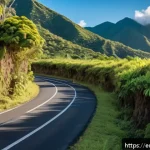
While driving in New Caledonia can be an incredible way to see the island’s diverse beauty, it’s essential to be aware of local road conditions and driving practices. Roads outside of the main city areas can sometimes be poorly lit, and driving at night, especially in rural areas, is generally not recommended. When I’m driving, I make sure my car doors are locked and windows are up, particularly in more isolated spots. You’ll also need to be prepared with an International Driving Permit (IDP) in addition to your home country’s license, as hire car companies often have stricter requirements. Always factor in the possibility of unexpected roadblocks, which, as we saw in May 2024, can sometimes occur with little to no warning due to political events. Monitoring local media is key here.
Understanding the Recent Unrest and Its Impact on Travelers
Okay, let’s talk about the elephant in the room: the civil unrest in May 2024. I know many of you are wondering about this, and it’s a valid concern. New Caledonia experienced significant civil disorder, violence, arson, and looting during this period, stemming from political tensions over proposed electoral reforms. This led to states of emergency, curfews, airport closures, and roadblocks, which deeply affected the tourism sector. I remember seeing the news and feeling a pang in my heart for this beautiful place and its people. While tensions have reportedly decreased since then, and the highest travel restrictions have been lifted by some countries, there’s still an increased police and security presence, and the potential for restrictions or protests to flare up again cannot be entirely ruled out. Several governments, including the U.S., Canada, and Australia, have advised exercising a “high degree of caution” or even to “reconsider travel” at certain times, reflecting the ongoing political sensitivities. It’s really important to monitor current travel advisories from your own government right before and during your trip. Things can change, and staying informed is your best defense.
Navigating the Evolving Situation
The key takeaway from the 2024 unrest is the importance of staying informed and flexible. Authorities can impose restrictions, like curfews or limitations on buying alcohol or fuel, at short notice. My advice? Keep an eye on local media, respect the advice of local authorities, and avoid any demonstrations or large gatherings. Even peaceful protests can turn violent, and getting caught up in them is the last thing you want on your dream vacation. If you’re planning to visit, I’d suggest checking the official tourism website and booking with reputable tour operators. Some services might still be recovering from the disruption, so a little patience and understanding go a long way. For example, while flights have resumed, capacity might still be lower than pre-2024 levels, so planning your travel logistics well in advance is more critical than ever.
Smart Travel Habits for a Worry-Free Adventure
Beyond the general safety concerns, being a smart traveler means taking proactive steps to protect yourself and your belongings. This isn’t just about avoiding crime; it’s about ensuring a smooth and enjoyable trip from start to finish. I always preach comprehensive travel insurance, and for a destination like New Caledonia, it’s truly non-negotiable. Medical treatment can be expensive, and search and rescue facilities might be limited in some areas. Imagine needing emergency medical evacuation and being stuck with a massive bill – that’s a nightmare nobody wants! A good policy should cover medical emergencies, cancellations, and even medical evacuation. Also, keeping your family and friends updated on your itinerary, especially if you plan to venture into more remote areas, is a smart move. Mobile phone coverage can be spotty outside of major towns, so don’t rely solely on your phone for communication.
Essential Preparations Before You Go
- Travel Insurance: Seriously, get it. Make sure it covers medical emergencies, cancellations, and even helicopter rescue or medical evacuation.
- Emergency Contacts: Save local emergency numbers (Police: 17, Medical: 15, Fire: 18) in your phone, and consider writing them down too.
- Stay Connected: Inform family or friends of your itinerary, especially if you’re exploring off the beaten path where mobile coverage might be limited.
- Local Currency: The currency is the CFP franc (XPF). While credit cards are widely accepted in Nouméa, carry enough cash if you’re heading to remote islands or smaller villages. Euros, Australian, and New Zealand dollars are sometimes accepted, but don’t rely on it.
And speaking of money, I always make sure to alert my bank before I travel, so they don’t flag my overseas transactions as fraudulent. Nothing worse than having your card frozen mid-trip! And check for any international transaction fees; a travel card can often save you a bit of cash.
Local Customs and Cultural Sensitivity: Your Key to a Smooth Trip
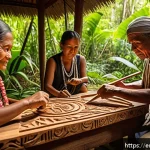
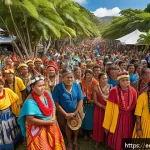
Traveling responsibly means embracing and respecting the local culture. New Caledonia is a beautiful blend of French and indigenous Kanak cultures, and understanding their customs isn’t just polite, it can actually enhance your safety and overall experience. The Kanak people have a deep respect for their land and environment, viewing spirits as present in nature and sacred sites. So, when you’re out exploring, especially in rural areas or on customary land, be mindful and always ask for permission before entering. This simple act of respect can open doors and create incredibly warm interactions with locals.
Building Bridges Through Respect
- Dress Code: While resorts are relaxed, dressing conservatively outside of tourist areas shows respect, particularly when visiting villages or religious sites.
- Photography: Always ask for permission before taking photos of people, especially in Kanak villages. It’s a sign of respect.
- Greetings: A simple “Bonjour” (good day) or “Bonsoir” (good evening) goes a long way. Learning a few basic French phrases can be incredibly helpful, as English might not be widely spoken, especially outside Nouméa.
- Gifts: Giving and receiving gifts is an important tradition in Kanak culture for establishing relationships and showing respect. While not always expected from tourists, a small thoughtful gesture if you’re invited into a home can be much appreciated.
I find that immersing myself in the local way of life, trying a traditional bougna (a delicious feast cooked in banana leaves), or visiting the Tjibaou Cultural Center to learn about Kanak history, enriches my trip so much more than just sticking to the tourist traps. Plus, when you show respect, locals are often more willing to help you out if you find yourself in a tricky situation, which is a kind of safety in itself!
Staying Healthy and Well: Nature’s Challenges and Medical Care
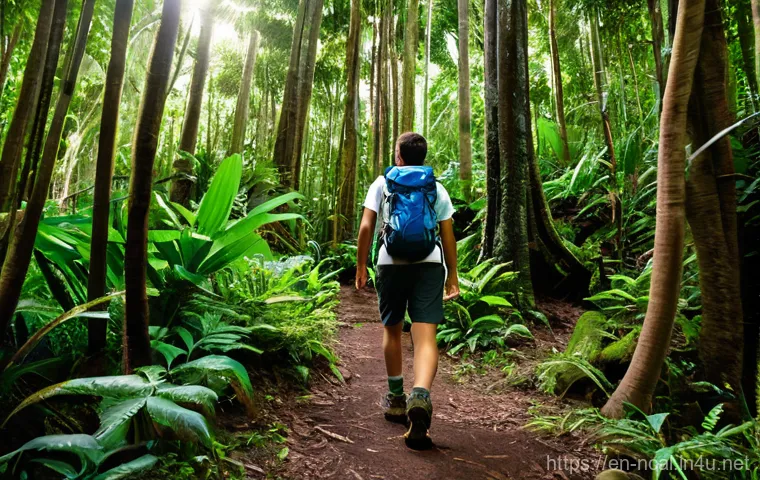
New Caledonia is a tropical paradise, and with that comes a few natural considerations for your health and well-being. Mosquito-borne diseases like Dengue, Chikungunya, and Zika can be a risk, especially during the warmer, wetter months from January to May. I always pack a good insect repellent for tropical zones and wear loose-fitting, light-colored clothing to minimize bites. If you’re pregnant or planning pregnancy, definitely discuss your travel plans with your doctor regarding Zika virus. Beyond insects, the sun can be intense! Hats, sunglasses, coral-friendly sunscreen, and staying hydrated are crucial for avoiding sunburn and heatstroke.
Medical Facilities and Emergency Response
The good news is that Nouméa offers modern medical facilities, including hospitals, which are generally on par with developed countries. However, access to care might be challenging in more remote areas, and wait times can be longer. And I can’t stress this enough: medical treatment can be incredibly expensive. An intensive care bed in a Nouméa hospital can cost upwards of $5500 per day! This is another massive reason why comprehensive travel insurance is essential. For emergencies, you can call 15 for medical services, 17 for police, and 18 for fire and rescue. While English may not be widely spoken by emergency services, having those numbers saved and being prepared with some basic French phrases can be really helpful.
Adventure Activities: Thrills with Sensible Precautions
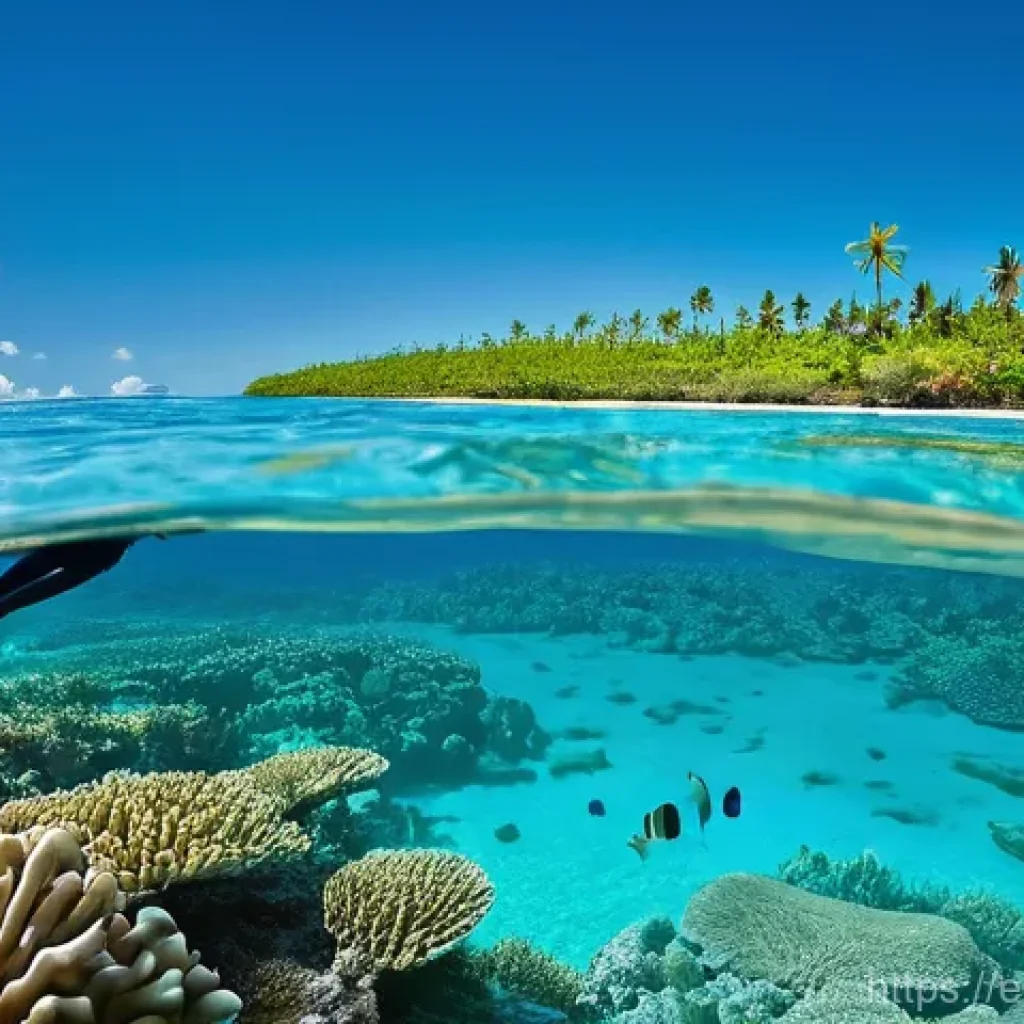
New Caledonia is a playground for adventure lovers, from diving in its stunning lagoons to hiking through lush forests. But like any adventure, there are inherent risks, and it’s about making smart choices to ensure your safety. Water activities are a huge draw, but even in paradise, you need to be cautious. Shark incidents are rare, but it’s always wise to avoid swimming at dawn and dusk, near river mouths, or in murky waters. Stick to patrolled beaches with flag systems. If you’re into diving, which I absolutely adore, make sure your dive operator is reputable and has the right credentials. Don’t be shy about asking to see their qualifications, and confirm they have safety equipment like oxygen on board. Also, ensure your travel insurance specifically covers adventure activities, as some policies have exclusions.
Hiking, Water Sports, and Wildlife Wisdom
When hiking, stick to marked trails, carry plenty of water, wear appropriate clothing, and let someone know your itinerary. This helps protect both you and the delicate local ecosystem. And speaking of ecosystems, while the marine life is incredible, be aware of potentially dangerous species like stonefish or scorpionfish, especially if you’re exploring tide pools or less-frequented areas. Basically, the rule of thumb is: observe, but don’t touch. For any adventure activity, whether it’s exploring the islands by ferry or taking a scenic flight, always go with reputable operators and ensure they adhere to international safety standards. Some adventure activity standards in New Caledonia might not be quite what you’re used to, so a little extra due diligence is a good idea.
Making the Most of Your Caledonian Dream: My Personal Takeaways
So, after all this talk about safety, you might be thinking, “Is New Caledonia still worth it?” And my answer, with a resounding heart full of conviction, is absolutely YES! The beauty of New Caledonia, its incredible culture, and those breathtaking landscapes are truly unforgettable. My personal experiences there, even with the need for heightened awareness, have been nothing short of magical. It’s about empowering yourself with knowledge and adopting a mindset of informed caution, not fear. I’ve found that being proactive, having solid travel insurance, and staying tuned into local advisories allows me to fully immerse myself in the experience without constant worry. The smiles of the locals, the vibrant markets, the incredible snorkeling in the lagoon – these are the moments that make a trip to New Caledonia so special.
Embrace the Adventure, Responsibly
Ultimately, a trip to New Caledonia is an adventure, and like any great adventure, it requires a bit of planning and a sensible approach. Don’t let the headlines completely deter you, but do let them inform you. By being aware of your surroundings, respecting local customs, taking precautions against petty crime, and staying updated on any civil developments, you can absolutely have an incredible, safe, and truly enriching experience. It’s about striking that perfect balance between exploring freely and being a responsible, informed traveler. So, go ahead and dream big for your New Caledonian escape – just make sure you pack your common sense right alongside your swimsuit!
| Safety Consideration | What to Do (My Tips!) | Why It Matters |
|---|---|---|
| Petty Crime (Pickpocketing, Bag Snatching) | Keep valuables out of sight, use cross-body bags, avoid isolated areas after dark, lock car doors. | Reduces your risk of becoming an easy target, protecting your belongings and peace of mind. |
| Civil Unrest & Political Tensions | Monitor local media, avoid demonstrations/large gatherings, respect curfews/restrictions, check travel advisories. | Situations can change quickly; staying informed and avoiding flashpoints is crucial for personal safety. |
| Health Risks (Mosquito-borne illnesses, Sun) | Use insect repellent (tropical strength), wear protective clothing, stay hydrated, use high SPF sunscreen. | Protects against diseases like Dengue, Zika, and prevents painful sunburn or heatstroke, ensuring you can enjoy your trip. |
| Medical Emergencies & Cost | Purchase comprehensive travel insurance (including evacuation), save emergency numbers (15, 17, 18), know hospital locations. | Medical care can be expensive; insurance ensures you get the necessary care without financial burden. |
| Cultural Misunderstandings | Learn basic French phrases, respect Kanak customs (especially regarding land/sacred sites), ask permission for photos. | Fosters positive interactions with locals, avoids accidental offense, and enriches your travel experience. |
글을마치며
Whew! We’ve covered a lot of ground, haven’t we? It might seem like a lot to take in, but truly, the essence of it all is this: New Caledonia is a breathtaking destination, a true jewel of the Pacific. Yes, it has its complexities, just like any place on earth, and the events of May 2024 were a stark reminder of that. But my heart tells me, and my experience confirms, that with a little smart planning, a dash of informed caution, and a whole lot of respect for the local culture, you can absolutely have the trip of a lifetime. Don’t let fear overshadow the incredible beauty and warmth that await you. Be prepared, be present, and get ready to fall in love with New Caledonia!
알아두면 쓸모 있는 정보
Beyond the immediate safety aspects, there are a few practical nuggets of information that I’ve found incredibly useful during my travels, and I always make sure to share them with anyone heading to a new place. These small details can really smooth out your journey and prevent those annoying little hitches that can sometimes crop up. Think of these as your quick-reference cheat sheet for making your New Caledonian adventure as seamless as possible. Getting these sorted before you even pack your bags means less stress and more time soaking up the sun and culture, which is exactly what we want, right? I’ve seen firsthand how a little bit of knowledge here can save you a lot of hassle later on.
1. Currency and Payments: The local currency is the CFP Franc (XPF). While major credit cards (Visa, Mastercard) are widely accepted in Nouméa and larger tourist spots, always carry some cash, especially if you’re venturing out to smaller towns, markets, or the Loyalty Islands. Exchange rates can vary, so it’s a good idea to check them before you go. I always recommend having a travel card that minimizes international transaction fees.
2. Language Barrier: French is the official language, and while many in the tourism industry speak some English, especially in Nouméa, don’t expect it everywhere. Learning a few basic French phrases like “Bonjour” (hello), “Merci” (thank you), “S’il vous plaît” (please), and “Parlez-vous anglais?” (Do you speak English?) will go a very long way and genuinely be appreciated by the locals. It really enhances your interactions, I’ve found!
3. Electricity and Plugs: New Caledonia uses 220-240 volts and operates on a 50Hz frequency. The plug types are primarily Type C, E, and F, which are the standard European two-round-pin plugs. So, remember to pack a universal travel adapter if your devices aren’t compatible. Trust me, running out of phone battery when you’re trying to navigate or capture that perfect sunset is a traveler’s nightmare!
4. Best Time to Visit: For optimal weather and to avoid the peak cyclone season, I personally recommend visiting during the dry season, which runs from May to November. The temperatures are milder, the humidity is lower, and it’s generally sunny and pleasant – perfect for all those outdoor activities and beach days. The wet season (December to April) can be hot, humid, and prone to tropical storms, which can sometimes disrupt travel plans.
5. Water Quality: While tap water in Nouméa is generally considered safe to drink and treated to international standards, it can sometimes have a different taste that travelers aren’t used to. When you’re outside the capital or on smaller islands, I’d err on the side of caution and stick to bottled water for drinking. It’s a small expense for a lot of peace of mind, especially when you’re trying to stay healthy and hydrated in a tropical climate.
중요 사항 정리
Alright, if there’s one thing I want you to walk away with, it’s this: New Caledonia offers an absolutely incredible experience, a blend of French sophistication and raw Pacific beauty that’s truly unique. But like any destination, especially one that has seen recent civil unrest, your best friend is being informed and prepared. My personal mantra when traveling is “expect the best, but prepare for the unexpected,” and New Caledonia is no different. You need to keep an eye on your government’s latest travel advisories right up to your departure, and even while you’re there, because situations can evolve. Don’t let the headlines scare you away from such a magnificent place, but let them serve as a reminder to be extra vigilant about your personal belongings, understand the local political climate, and always, always respect the vibrant Kanak culture and its customs. Getting comprehensive travel insurance is non-negotiable – it’s your safety net for everything from a lost suitcase to an unexpected medical emergency. And when you’re exploring, whether it’s diving in the lagoon or hiking through the interior, choose reputable operators and let someone know your plans. By embracing these sensible precautions, you’re not just ensuring your safety; you’re setting yourself up for an enriching, unforgettable adventure that will fill your senses and your photo albums with memories for years to come. So, go forth, explore wisely, and enjoy every single moment of your New Caledonian dream!
Frequently Asked Questions (FAQ) 📖
Q: Given the recent news about civil unrest in New Caledonia, is it still safe for tourists to visit right now?
A: Oh, that’s a completely fair question, and honestly, it’s one I’ve seen pop up a lot since the events in May 2024. My take, after digging into the current situation and seeing what official advisories are saying alongside traveler experiences, is that things are certainly different, but not necessarily a complete no-go.
The civil unrest was a serious situation, and it definitely led to travel disruptions and increased security. However, what I’m seeing now is a strong emphasis on restoring normalcy, with a noticeable increase in police presence, especially in and around Nouméa.
Many areas, particularly the popular tourist spots and outer islands, are generally considered safe for visitors to enjoy, provided you stay aware of your surroundings and any local advisories.
Think of it this way: it’s not the “business as usual” New Caledonia we might have envisioned a year ago, but with smart planning and a healthy dose of awareness, a wonderful trip is still very much on the cards.
I always say, being informed is your best travel insurance, so keep an eye on official government travel advice from your home country, as they usually have the most up-to-date information on specific zones or restrictions.
Q: What are the most common safety concerns for tourists in New Caledonia, and how can I best prepare for them?
A: From my experience and what I’ve learned from countless traveler stories, beyond the specific political climate, the primary safety concerns for visitors in New Caledonia actually mirror those in many popular destinations: petty crime.
We’re talking about things like pickpocketing, bag snatching, or opportunistic theft from rental cars. These incidents tend to be more prevalent in crowded areas of Nouméa, especially around markets, beaches, or sometimes in less-lit areas after dark.
My personal advice for preparing for this? First, don’t flash expensive gadgets or large amounts of cash. Keep your valuables out of sight and secure.
A good cross-body bag or a money belt can be a game-changer! When you’re out and about, be mindful of your surroundings, especially if you’re engrossed in your phone.
If you’re driving, always lock your car doors, even when moving, and never leave anything visible inside when parked. As for the unique cultural landscape, it’s also smart to be respectful of local customs and traditions, particularly in more rural or tribal areas.
A little research into local etiquette goes a long way in ensuring a smooth, respectful, and safe interaction with the welcoming Kanak people. It’s about blending in respectfully and not drawing unnecessary attention to yourself.
Q: Are there any specific areas in New Caledonia that tourists should avoid, or times of day when it’s riskier to be out and about?
A: That’s a really practical question, and it’s something I always consider when visiting any new place. While New Caledonia is generally quite laid-back, there are definitely some nuanced considerations.
During the recent unrest, certain neighborhoods in Nouméa experienced more significant disturbances, and while things have calmed, it’s always wise to exercise extra caution in areas that are less tourist-centric or appear rundown, especially after sunset.
Generally speaking, common sense prevails: avoid walking alone in poorly lit or isolated areas at night, regardless of where you are in the world. In Nouméa, the city center and waterfront areas are usually quite lively and well-patrolled, but heading into less populated residential zones after dark might not be the best idea.
If you’re exploring the Grand Terre (the main island) beyond Nouméa, many of the smaller towns and natural parks are incredibly safe and welcoming during the day.
However, always ensure you have a reliable way to get back to your accommodation before it gets too late, particularly if you’re in a remote spot. Trust your gut instinct; if a situation or an area feels off, it probably is.
It’s all about making smart, informed choices to keep your adventure truly amazing!