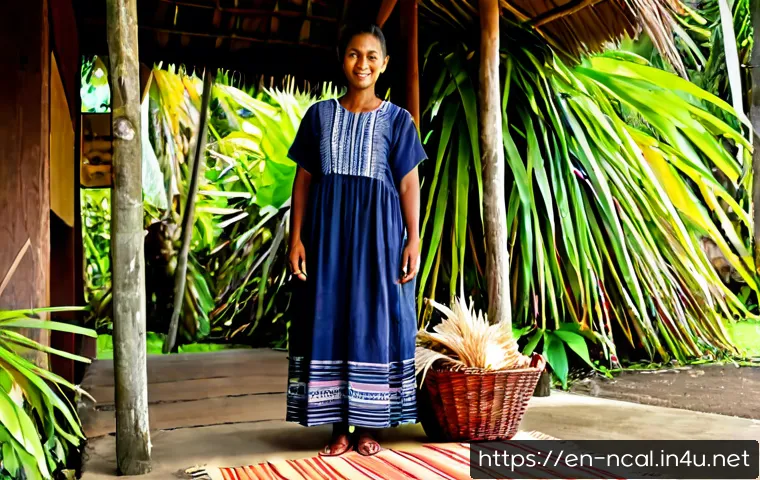
Before buying a New Caledonian garment or textile, verify who made it, what cultural context it represents, and whether it is intended for visitor wear.
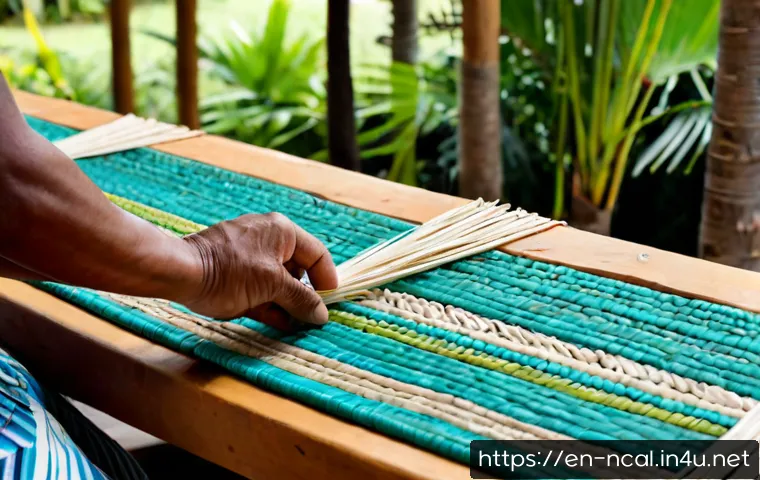
A clear maker story and care information usually matter more than a label that simply says “traditional.”
New Caledonian dress can reflect Kanak heritage, changing community traditions, colonial-era influences, and contemporary creative work.
For travelers and gift buyers, the most useful choice is often an item that is honestly described as artisan-made or Kanak-inspired rather than one presented with vague claims of authenticity.
Compare provenance, materials, construction, condition, and total purchase terms before deciding. This approach supports more thoughtful artisan shopping while helping you choose a piece that fits your intended use.
At a Glance
- Ask about origin first: a named maker, workshop, or community connection provides more context than appearance alone.
- Separate heritage from inspiration: ceremonial-style, vintage, handmade, and contemporary Kanak-inspired items are not interchangeable.
- Buy for the right use: check care, fit, permissions, and shipping terms before choosing a garment, textile, or souvenir.
| Purchase Type | Provenance to Look For | Durability and Care | Common Price Drivers | Best For |
|---|---|---|---|---|
| Artisan-made garment or textile | Named maker, workshop details, production method, cultural context | Varies by fiber and finishing; ask for care instructions | Labor, materials, scale of production, maker attribution, shipping | Meaningful gifts, personal collecting, considered everyday or occasion wear |
| Tourist souvenir | May be limited or unclear; confirm where and how it was made | Often designed for simple handling, but details should still be checked | Material, printing, construction, retail setting, shipping | Small keepsakes and decorative purchases |
| Vintage or collectible piece | Documentation, seller history, condition notes, previous ownership information | May require delicate storage and specialist cleaning advice | Rarity, condition, provenance, age claims, restoration needs | Collectors who can assess documentation and care requirements |
What Traditional Dress in New Caledonia Can Represent
Kanak cultural identity, community context, and changing dress traditions
Traditional dress in New Caledonia should not be treated as one fixed category. Clothing and textile practices may carry connections to Kanak cultural identity, community setting, family knowledge, ceremony, creative expression, or changing fashion. A visitor cannot reliably identify those meanings from a pattern, color, or silhouette alone. If cultural context matters to your purchase, ask the seller what they are able to share and accept that some details may be private or community-specific.
Why “traditional” can mean heritage, ceremonial, handmade, or contemporary-inspired
The word traditional can be used loosely in souvenir shopping. It may describe a heritage reference, a handmade item, a vintage piece, a ceremonial-style garment, or contemporary clothing inspired by New Caledonian design. These descriptions are not proof that an item is locally made, appropriate for ceremonial use, or connected to a particular Kanak community. Look for plain, specific wording instead of broad promotional claims.
Quick answer: ask about origin and cultural context before focusing on appearance
A beautiful textile can be worth buying, but appearance should come after basic verification. Ask who made it, whether the maker is credited, what materials were used, and whether the piece is intended as everyday fashion, decorative craft, or a culturally sensitive item. Clear information is a stronger buying signal than an “authentic” tag without details.
Compare Heritage Garments, Artisan Pieces, and Tourist Souvenirs
Provenance: named maker, workshop, community connection, or unclear origin
Provenance means the story that can be supported about an item’s source. For an artisan-made piece, that may include a maker name, workshop description, or direct explanation of how it was produced. A museum shop or cultural-center shop may provide useful curatorial context, although the exact level of maker attribution can vary. A market souvenir may still be enjoyable, but if its origin is unclear, buy it as a decorative or practical item rather than assuming it represents heritage clothing.
Materials and construction: natural fibers, printed fabric, stitching, and finishing
Examine the garment or textile as an object. Check whether the seller identifies the fiber content, whether the design is printed or constructed through a more labor-intensive process, and whether seams, edges, closures, and finishing look suitable for your plans. Handmade does not automatically mean fragile, and machine-made does not automatically mean poor quality. What matters is whether construction, care needs, and intended use are clearly explained.
What can affect price: labor, rarity, condition, story, and shipping
Price comparisons should include more than the item on the tag. An artisan piece may reflect labor, materials, small-scale production, and the value of direct maker attribution. A vintage textile may be priced around condition, documentation, rarity claims, or restoration needs. For online purchases, compare the total cost, including shipping, possible return limitations, and the practical cost of caring for a delicate item. Do not assume a higher price proves cultural significance; ask what the price reflects.
Comparison table: what each purchase type is best for
If you want a meaningful gift, prioritize a piece with maker information and a description you can pass on to the recipient. If you want easy travel clothing, a contemporary Kanak-inspired item with clear sizing and care details may be the more practical choice. If you are considering a collectible, request condition photos and provenance information before treating it as vintage or culturally significant.
How to Evaluate a Garment or Textile Before You Buy
Questions to ask a seller about maker attribution and production methods
Use direct, neutral questions. You might ask: “Can you identify the maker or workshop?” “Where was this produced?” “How was the design made?” “Is this described as heritage clothing, contemporary fashion, or a souvenir?” “Are there any limits on photographing, wearing, or reproducing the design?” A responsible seller may not know every answer, but they should avoid inventing details.
Checking size, fit, care instructions, and climate suitability
For clothing, ask for measurements rather than relying on a general size label. Check closure placement, lining, stretch, and whether the garment is intended for frequent wear. Care instructions are especially important for handmade textiles, natural fibers, embellishment, or older pieces. Consider where you will use it: a lightweight souvenir scarf, a display textile, and a fitted garment create very different travel and storage needs.
Avoiding misleading labels such as “authentic” without supporting details
“Authentic” is not a complete description. It does not tell you who made the item, whether it is handmade, whether it is locally produced, or whether it has ceremonial relevance. Treat broad labels as an invitation to ask for evidence, not as a final answer. If a seller cannot explain an item’s origin, choose it only if you like it for its design and accept the limited documentation.
Respectful Use for Travelers, Collectors, and Event Visitors
When a contemporary-inspired piece may be more suitable than ceremonial-style clothing
For most visitors, contemporary clothing or an openly Kanak-inspired textile may be the safest and most practical option. It can allow appreciation of local creative work without presenting yourself as wearing something that may have ceremonial, performance, or community-specific meaning. If you are attending a cultural event, ask organizers or the seller whether visitor wear is appropriate rather than making assumptions.
Photography, styling, and cultural-event etiquette
Before photographing a garment display, maker, market stall, or cultural event, ask permission where possible. The same applies to posting close-ups of patterns or styling an item as a costume. Respectful buying includes respecting the maker’s presentation and any stated boundaries. When in doubt, choose simple styling and describe the item accurately: artisan-made, contemporary-inspired, or souvenir textile, depending on what has been confirmed.
Packing, cleaning, and storing handmade fibers or delicate garments
Keep care simple and follow the seller’s instructions. Avoid assuming that a handmade or vintage item can be machine washed, tightly folded, or stored in direct sun. For a delicate purchase, ask how it should be packed for travel and whether it needs special cleaning. Retain receipts, maker cards, and care notes; these details can be useful long after the trip.
Choosing Where to Shop: Markets, Museum Stores, Boutiques, and Online Sellers
Benefits and limits of buying directly from an artisan
Buying directly from an artisan can make it easier to ask about materials, design choices, and care. It may also give you a clearer sense of whether the work is made to order, handmade in limited quantities, or intended as contemporary fashion. Still, do not pressure a maker to disclose cultural knowledge they do not wish to share. A short, accurate explanation is better than a dramatic sales story.
What museum and cultural-center shops may offer
Museum and cultural-center shops can be useful for buyers who value context, labeled objects, and a more curated selection of books, textiles, or gift items. Their limits are practical: stock may be selective, and the available information can differ by item. Read labels closely and ask staff what they can confirm about maker attribution, materials, and appropriate use.
Online-purchase checks: detailed photos, return terms, fiber descriptions, and shipping costs
Online artisan marketplaces and boutique sellers require extra verification. Look for front and back photos, close-ups of seams or weaving, measurements, fiber descriptions, condition notes, and clear return terms. Confirm shipping costs before checkout, especially for large textiles or fragile objects. If an online listing uses cultural language but provides no maker, material, or production details, compare it carefully with listings from museum shops, artisan marketplaces, or cultural-tour providers.
Selection Criteria and Comparison Summary
Choose with a short decision list: maker identity, cultural context, material and construction, care requirements, total cost, and intended use. Choose artisan-made work when attribution and a direct connection to the maker matter most. Choose practical contemporary clothing when easy wear, fit, and simple care are your priorities. Choose a souvenir only when you are comfortable with the level of information provided. Compare artisan marketplaces, museum shops, and cultural-tour providers by reviewing their maker details, item descriptions, and purchase conditions on the relevant pages.
Final Thoughts
A thoughtful New Caledonian textile purchase starts with curiosity rather than certainty. Ask what can be verified, avoid attaching ceremonial meaning to an item without support, and select a piece that suits your real plans for wearing, gifting, displaying, or collecting it. Honest maker information and practical care guidance add value that a vague cultural label cannot replace. Respectful shopping is not about finding a perfect label; it is about making a well-informed choice.
Useful Things to Know
Keep the documentation: Save the receipt, care card, maker name, and any description supplied with the item.
Ask before assuming: A pattern or design should not be assigned to a specific community or clan unless the maker or seller can confirm it.
Plan for transport: Large textiles, delicate garments, and collectible pieces may need different packing and storage than ordinary travel clothing.
Important Notes
Specific garments, patterns, fibers, techniques, and ceremonial meanings may vary by Kanak community or clan and require confirmation from a knowledgeable maker, seller, or cultural institution. Availability, export arrangements, customs requirements, current pricing, and maker compensation should also be verified at the time of purchase. An item marketed as “traditional” may be heritage-related, contemporary-inspired, vintage, handmade, or simply Pacific-style merchandise; the label alone is not enough to establish its status.
Frequently Asked Questions
Q1. What should I ask before buying a traditional New Caledonian garment?
A1. Ask who made it, where it was produced, what materials it uses, how it was made, how it should be cared for, and whether there are limits on photography or wearing it at cultural events. Also ask whether it is heritage clothing, contemporary-inspired fashion, a vintage item, or a souvenir.
Q2. Are Kanak-inspired clothes appropriate for tourists to wear?
A2. A contemporary piece that is clearly presented as Kanak-inspired may be more suitable for visitors than clothing with possible ceremonial significance. Check the seller’s description, ask about intended use, and avoid treating culturally meaningful clothing as costume wear.
Q3. Why can handmade New Caledonian textiles or clothing cost more than souvenir items?
A3. Handmade items may reflect labor, materials, small-scale production, finishing, maker attribution, and the care required to produce or ship them. A higher price does not by itself confirm cultural importance, so compare the supporting details, condition, and total purchase terms.