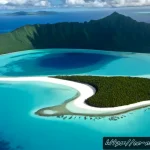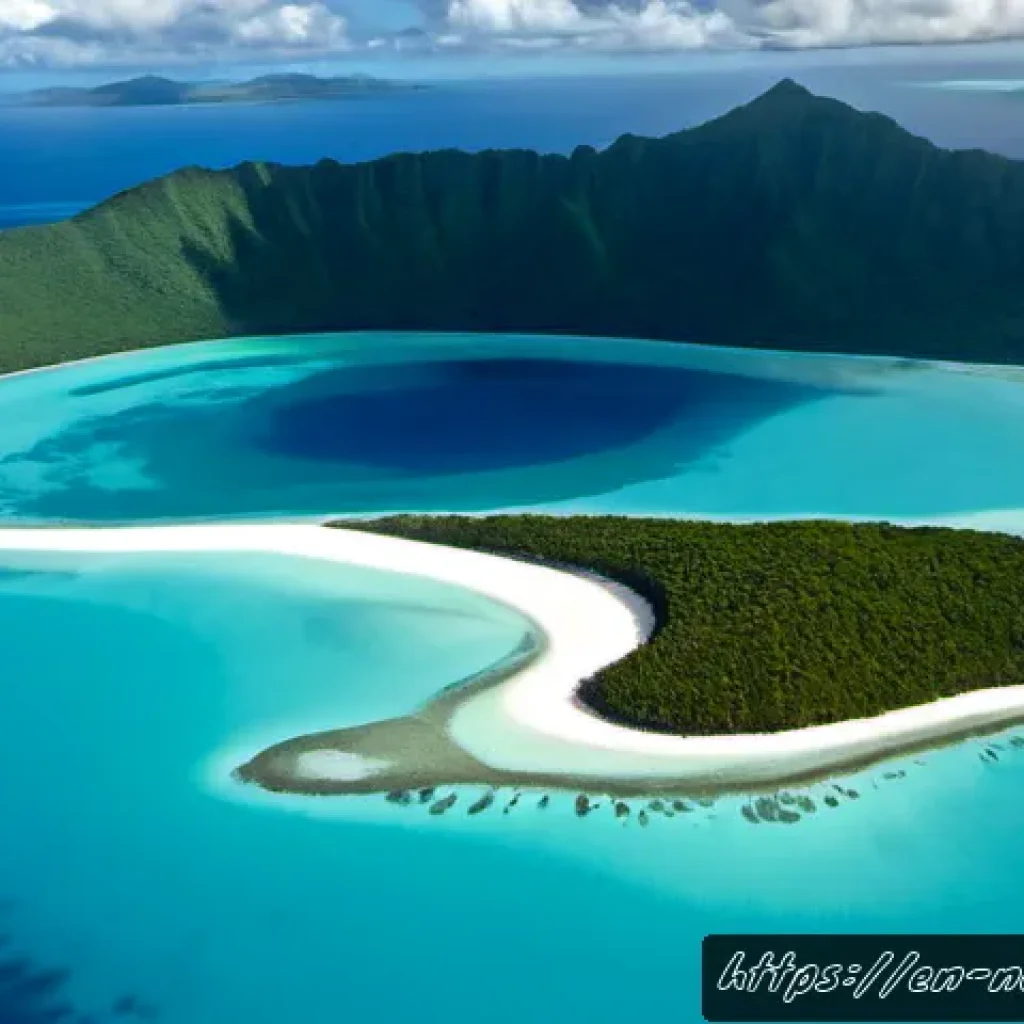
New Caledonia has a tropical marine climate, shaped by the southwest Pacific Ocean and frequent southeast trade winds. Conditions are generally warmer and more humid from November to April, while May to October is cooler and relatively drier.
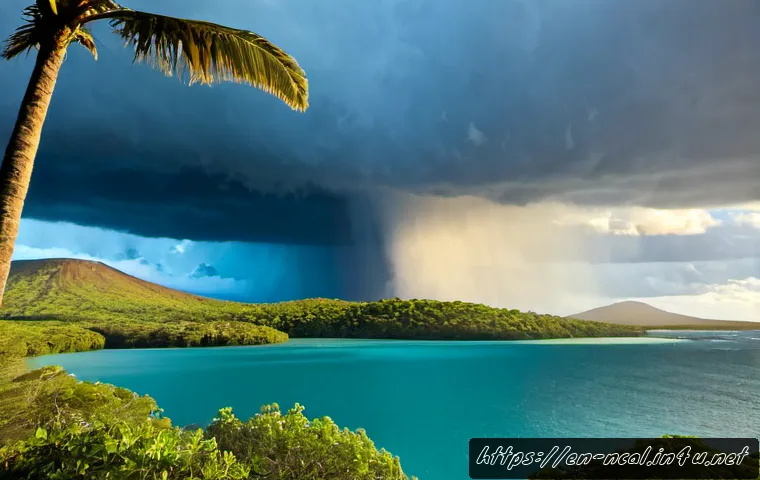
The ocean helps keep the weather from feeling as extreme as it can in inland tropical regions. Still, rain, wind, and sea conditions can change from one island or lagoon area to another.
Knowing the broad seasonal pattern makes it easier to plan beach time, boat trips, and outdoor activities with realistic expectations.
Understanding the Island’s Ocean-Moderated Weather
Why temperatures are less extreme than inland tropical areas
New Caledonia lies in the southwest Pacific Ocean, and the surrounding water has a strong effect on daily weather. This marine setting tends to moderate conditions compared with tropical places far from the coast. Rather than relying on a fixed temperature expectation, travelers should think in terms of seasonal comfort: a warmer period, a cooler period, and local variation between exposed coasts, sheltered bays, and islands.
The same ocean influence also means that a sunny forecast does not always guarantee identical conditions across the territory. A lagoon outing, a beach visit, and travel between islands may be affected differently by cloud cover, wind, or passing showers.
The influence of southeast trade winds
Southeast trade winds commonly shape local weather conditions in New Caledonia. They can make the air feel fresher, especially during the cooler and relatively drier part of the year, but they may also influence the feel of the sea and exposed beaches. Wind strength is not constant, so conditions for a particular day or location should be checked locally.
Seasonal Patterns Throughout the Year
The warmer and more humid months
The warmer season generally runs from November to April. Humidity is usually more noticeable during this part of the year, and rainfall can be part of the travel picture. This does not mean every day is wet, but visitors should be prepared for changing conditions and allow some flexibility around outdoor plans.
This is also the warmer part of the year when tropical disturbances can affect the weather. Their timing and local effects differ by season and location, so current forecasts and official marine information matter more than broad seasonal assumptions.
The cooler and relatively drier months
May to October is generally cooler and relatively drier. For travelers who prefer less humid conditions, this period may feel more comfortable for time outdoors, sightseeing, and lagoon-based activities. However, “drier” does not mean rain-free, and trade winds can still affect beach and boating plans.
| Period | General pattern | Planning point |
|---|---|---|
| November to April | Warmer and more humid | Allow for rain and possible tropical weather changes. |
| May to October | Cooler and relatively drier | Check wind and sea conditions for exposed coastal activities. |
Rain, Wind, and Tropical Weather Risks
Short heavy showers and changing conditions
Rainfall can arrive in brief, heavier showers, particularly in the warmer and more humid months. A shower may interrupt a beach plan without defining the entire day, but it is wise not to build a tightly scheduled itinerary around uninterrupted sunshine. Keep a backup activity in mind and check conditions before heading far from your accommodation.
Planning around tropical disturbances
Tropical disturbances can affect New Caledonia during the warmer part of the year. It is not possible to predict the timing or impact for an individual trip far in advance. Before travel and during your stay, review current weather updates, marine warnings, and any advice from accommodation providers or activity operators.
What the Climate Means for Lagoon Activities
Snorkeling, diving, sailing, and beach days
New Caledonia’s lagoon activities are closely tied to wind, visibility, rain, and sea conditions. A calm-looking morning can develop into a windier afternoon, while an exposed beach may feel different from a sheltered lagoon area. Snorkeling, diving, sailing, and boat excursions are best planned with room for adjustment.
Do not assume that one island’s conditions represent the whole destination. Current beach access, lagoon access, and marine safety information should be confirmed locally, particularly when weather is unsettled or tropical activity is possible.
Practical Packing and Trip Planning Tips
Pack for both sun and sudden weather changes. Light clothing can suit the warmer season, while an additional layer may be welcome during cooler or windier periods. Rain protection is useful year-round because conditions can vary. For lagoon days, prioritize flexibility: confirm departure times, sea conditions, and operator guidance close to the activity date.
If your trip falls between November and April, avoid depending on a single outdoor booking for the most important part of your itinerary. From May to October, do not overlook wind exposure simply because the period is relatively drier. In either season, local forecasts are more useful than a general climate description when making same-day decisions.
Closing Thoughts
New Caledonia’s marine climate is defined by the Pacific Ocean, seasonal shifts, and the regular influence of southeast trade winds. The warmer months can bring more humidity and tropical weather changes, while the cooler months are generally relatively drier. Neither period guarantees identical weather across every island or lagoon. Flexible plans and current local information remain the best approach.
Useful Information to Keep in Mind
1. November to April is generally the warmer and more humid period. 2. May to October is generally cooler and relatively drier. 3. Southeast trade winds can affect comfort and sea conditions. 4. Tropical disturbances are a consideration during the warmer part of the year. 5. Check current marine and beach information before lagoon activities.
Key Points at a Glance
New Caledonia has a tropical climate moderated by the ocean. Seasonal patterns are useful for broad planning, but rainfall, wind strength, tropical weather impacts, and lagoon access vary by location and time. Confirm current conditions locally before making outdoor or marine plans.
Frequently Asked Questions
Q1. What type of climate does New Caledonia have?
A1. New Caledonia has a tropical marine climate that is strongly influenced by the surrounding Pacific Ocean and southeast trade winds.
Q2. When is the driest time to visit New Caledonia?
A2. May to October is generally the cooler and relatively drier period. Exact rainfall varies by island, month, and year, so it is still worth checking local conditions.
Q3. Does New Caledonia have a cyclone season?
A3. Tropical disturbances can affect weather during the warmer part of the year, generally from November to April. The timing and local impact of tropical cyclones in any individual travel season need to be checked through current official weather information.