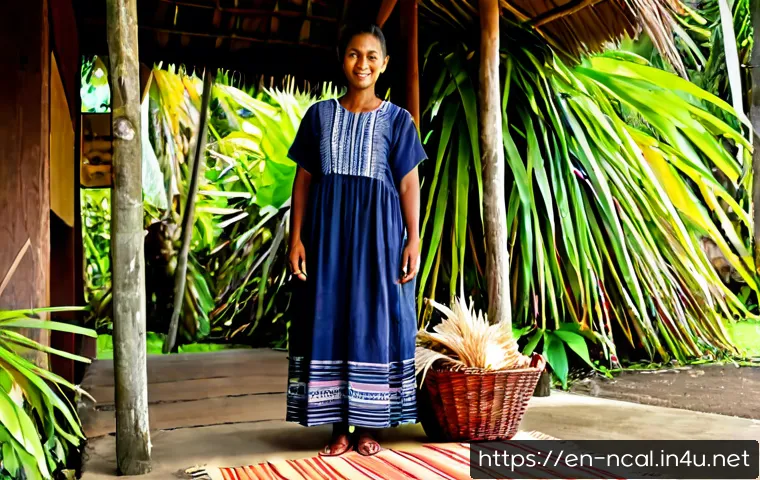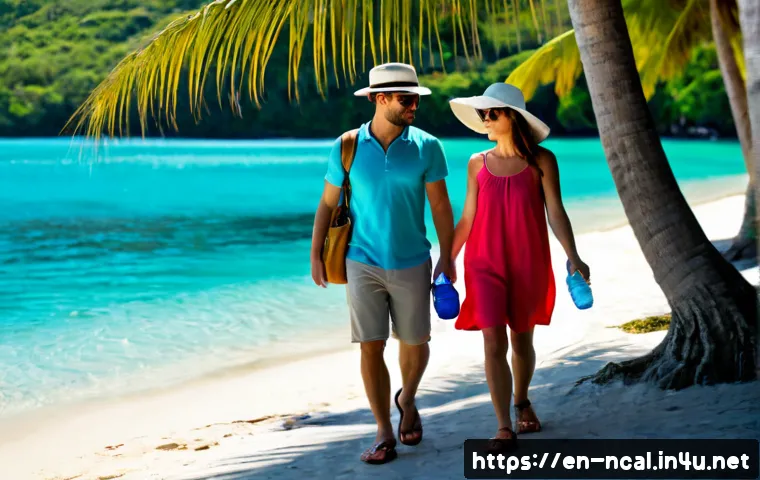
Pack breathable clothing, strong sun protection, water-ready footwear, and one lightweight rain-and-wind layer for New Caledonia. The best wardrobe changes slightly between Nouméa city days, lagoon excursions, beach time, and uneven hiking trails.
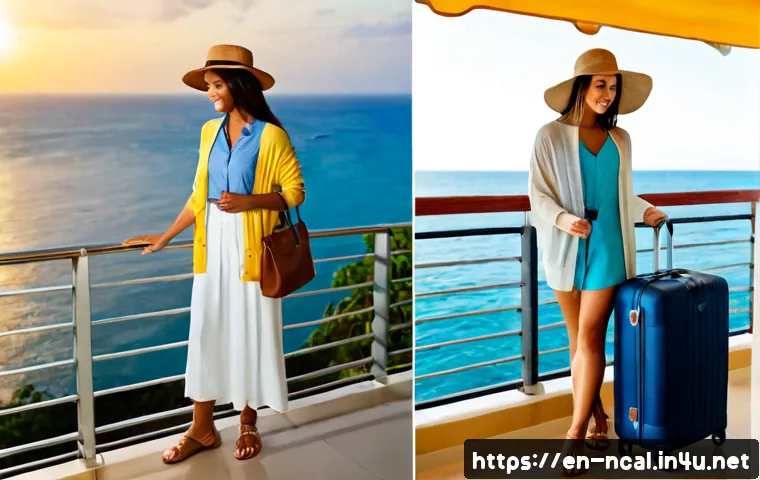
New Caledonia is warm throughout the year, but the wetter months from roughly November to April can bring heavier rain and changing travel conditions.
The generally cooler, drier period from about May to September may still include breezy evenings, especially around boats and exposed coastal areas. A small, versatile travel wardrobe is usually more useful than a large suitcase full of single-purpose outfits.
Prioritize items that dry quickly, protect you from strong sun, and work across both relaxed and active days.
At a Glance
- Build around breathable layers, sun protection, water-ready footwear, and a light rain or wind layer.
- Pack casual outfits for Nouméa, but use activity-specific shoes and gear for reefs, boat trips, and hikes.
- Check the forecast and your tour details before departure, especially during the warmer and wetter season.
| Trip situation | Weather or setting | Recommended clothing | Footwear | Gear worth considering |
|---|---|---|---|---|
| November to April | Warmer, commonly wetter, with possible heavier rain | Quick-dry tops, light shorts or trousers, swimwear, compact rain layer | Walking sandals, water shoes, trail shoes for hikes | Waterproof bag, phone protection, UV shirt |
| May to September | Generally cooler and drier, but wind can still change comfort | Breathable daytime clothing plus a light long-sleeve layer | Comfortable walking shoes and water-ready footwear | Light wind layer, hat, sunglasses, daypack |
| Nouméa city days | Urban and casual | Light shirts, dresses, shorts, trousers, or skirts suitable for walking | Supportive sandals or casual walking shoes | Sun hat, reusable water bottle, small day bag |
| Islands, reefs, and boat trips | Wet surfaces, strong sun, wind, and transfers by boat | Swimwear, cover-up, UV-protective top, light outer layer | Water shoes or secure sandals | Dry bag, waterproof phone pouch, sunglasses strap |
| Hiking days | Uneven paths and changing outdoor conditions | Quick-dry shirt, light layers, longer coverage if preferred | Grippy walking or hiking shoes | Daypack, rain shell, sun-protective clothing |
The Quick Answer: Build a Light, Sun-Protective Travel Wardrobe
The simplest answer is to pack a small capsule wardrobe that handles heat, water, sunshine, and the occasional change in weather. New Caledonia is a French territory in the South Pacific, and a trip may combine city time in Nouméa with beaches, outer islands, lagoon activities, and hiking. Those settings do not require formal expedition gear, but they do reward practical choices.
Choose pieces that can be reworn in different settings: breathable tops, shorts or light trousers, swimwear, a cover-up, one slightly smarter casual outfit, and a lightweight outer layer. Strong sunlight and outdoor water activities make sun-protective clothing, a hat, and sunglasses sensible rather than optional extras.
The essential outfits for a typical week
For a mixed itinerary, bring casual daytime outfits that can move from a café or waterfront walk in Nouméa to a relaxed resort setting. Add swimwear and a cover-up for beach time, plus one outfit that feels appropriate for a restaurant or a more formal venue. A quick-dry top and comfortable shorts or lightweight trousers can also double as practical hiking clothing.
Keep colors and fabrics easy to mix. This reduces luggage space and makes it easier to adapt if rain, wind, or a wet boat transfer affects your plans. If you prefer more coverage in the sun, lightweight long sleeves can be more practical than relying only on sunscreen.
The four items most travelers should not skip
A brimmed hat, sunglasses, a UV-protective top, and a light rain-and-wind layer cover many of the conditions travelers encounter. The first three help with bright outdoor days, while the outer layer is useful when a boat ride turns breezy or a rain shower arrives. Add footwear with a secure fit if your itinerary includes reefs, lagoons, or slippery surfaces.
Before buying specialty gear, look at the actual plan. A traveler staying mainly in Nouméa may value comfortable walking shoes more than a large dry bag. Someone booking lagoon or reef excursions may make better use of water shoes and waterproof phone protection.
Pack by Season: Wet-Season Rain, Dry-Season Evenings, and Tropical Sun
Season matters, but activity and location matter too. Conditions can vary by day and place, so avoid packing for a single forecast. A flexible wardrobe is the better choice whether you travel in the warmer wet season or the generally cooler dry period.
What changes from November to April
From about November to April, conditions are commonly warmer and wetter. Heavier rain and cyclones can affect travel conditions during this period, so a compact rain shell and quick-dry fabrics become more useful. Avoid relying on heavy cotton items that may stay damp after rain, swimming, or humid outdoor time.
A rain layer should be light enough to carry rather than something that lives at the bottom of a suitcase. It is also worth confirming tour conditions before a boat, hiking, or island excursion, since weather can affect comfort and logistics.
What changes from May to September
The period from about May to September is generally cooler and drier, but do not interpret that as “no layer needed.” A breezy evening, a coastal walk, or a boat transfer can feel different from a sunny beach afternoon. Pack one lightweight long-sleeve top or thin outer layer that works over a T-shirt or swim cover-up.
Daytime sun protection remains important. A cooler day can still involve long hours outdoors, so a hat and sunglasses should stay in your daypack rather than your hotel room.
A practical rain-and-wind layer comparison
Choose a light rain shell if your travel dates fall in the wetter part of the year or you expect hiking and outdoor transfers. Choose a packable wind layer if breezy boat rides and cooler evenings are the main concern. If you need one item for both purposes, compare lightweight travel jackets for breathable fabric, easy packing, and enough room to layer over a shirt.
Check the product details rather than assuming every lightweight jacket is fully waterproof. Also check whether a planned tour supplies ponchos or other protective equipment before purchasing duplicates.
Choose Clothing by Activity: Nouméa, Beaches, Islands, and Hiking
A good packing list follows your itinerary, not just the destination name. Nouméa is urban and casual, while outer islands, beaches, and hiking areas need clothing and footwear that match the activity.
Casual city and restaurant outfits
For Nouméa, think neat, comfortable, and casual. Breathable shirts, light dresses, skirts, shorts, casual trousers, and comfortable walking shoes are practical for city exploration. Keep one modest, slightly smarter combination available if you intend to visit a restaurant or a venue with its own dress expectations.
Do not assume every hotel, restaurant, church, cultural visit, cruise, or tour uses the same dress code. If a reservation or organized activity is important to your trip, confirm its clothing guidance directly before you pack.
Swimwear, cover-ups, and lagoon day trips
For beach and lagoon days, pack swimwear that stays comfortable under a cover-up or UV shirt. A light shirt, rash-style top, or sun-protective layer can make long periods near the water easier to manage. Secure sandals or water shoes are more useful than loose flip-flops when wet surfaces, reef areas, or boat transfers are involved.
A dry bag or waterproof pouch is a practical purchase only if you expect to carry a phone, documents, or small valuables on the water. Choose a smaller option for a short beach-first itinerary; choose a roomier waterproof day bag if you expect regular boat excursions.
Hiking clothes and footwear for uneven terrain
Hiking calls for grip and stability, not just a sporty-looking outfit. Wear walking shoes or hiking shoes with a secure fit for uneven paths. Use quick-dry clothing, sun protection, and a light layer that can be added if wind or rain changes the conditions.
Do not assume flip-flops will work for a trail simply because the climate is tropical. Bring a small daypack for water, a hat, sunglasses, and a rain or wind layer. Check with the activity provider about trail conditions and whether any equipment is supplied.
Avoid Packing Mistakes That Can Cost Comfort or Extra Purchases
The most expensive packing mistake is often buying a replacement item after discovering that your original choice cannot handle the itinerary. A few deliberate choices before departure can prevent unnecessary purchases during the trip.
Why flip-flops alone are not enough
Flip-flops are convenient for poolside and simple beach use, but they offer limited security on wet surfaces, boat decks, reef areas, and uneven paths. Pack them if you like, but pair them with secure walking sandals, water shoes, or supportive walking shoes based on your activities.
Choose water shoes if your itinerary includes reef or boat excursions. Choose walking shoes if Nouméa walks and hiking are higher priorities. Travelers doing both may want one pair for dry walking and one pair designed for water.
When quick-dry fabrics are worth the added cost
Quick-dry clothing is especially useful during the warmer, wetter months, on island excursions, and when you have limited time to wash and rewear items. It can also reduce the inconvenience of a sudden shower or wet transfer. It is less essential for a short city-focused stay with little water activity.
If you are comparing travel clothing, focus on versatility. A quick-dry shirt that works for a walk, a hike, and a casual lunch is often a more sensible choice than a specialized item you will wear only once.
Respectful clothing choices for cultural or formal settings
Beachwear belongs at the beach or resort pool. Keep a cover-up or casual layer available when leaving those areas. For churches, cultural visits, restaurants, and organized events, the safest approach is to choose clean, modest clothing and confirm any specific requirements with the venue or tour operator.
This small step can prevent discomfort without requiring a separate formal wardrobe. A lightweight overshirt, dress, or trousers can provide an easy alternative to beach clothing.
Smart Gear Choices: What to Bring From Home Versus Buy for the Trip
Bring core items from home when fit, comfort, and familiarity matter. Buy only the gear that clearly matches your itinerary, luggage space, and planned activities. This approach is useful for travel gear, waterproof equipment, and footwear alike.
UV clothing, hats, and sunglasses
These are high-value items to pack because they are used repeatedly across city, beach, and boat days. A comfortable hat that stays secure in wind, sunglasses you are happy to wear for long periods, and a UV-protective top can reduce the need for multiple single-purpose outfits.
When choosing a UV shirt or sun hat, prioritize comfort and coverage you will actually use. A travel accessory is only useful if it stays in your day bag rather than being left behind.
Dry bags, waterproof phone protection, and daypacks
Bring a dry bag or waterproof phone pouch if you plan to be on boats, near lagoons, or around wet gear. For a city-focused trip, a standard lightweight daypack may be enough. A good travel daypack should hold sun protection, water, a layer, and small essentials without becoming bulky.
Before buying waterproof accessories, check the tour description. Some operators may provide equipment, while others may not. Confirm what is included instead of assuming snorkeling gear, ponchos, or water shoes will be available.
Footwear, luggage space, and travel insurance considerations
Footwear takes up suitcase space, so choose based on genuine need: casual walking shoes for Nouméa, water-ready shoes for lagoon activities, and grippy footwear for hiking. A short trip may not require all three categories if one secure pair can cover most of your plan.
Airline baggage allowances can vary, so check them before deciding whether to pack extra shoes or larger outdoor gear. Travel insurance requirements and coverage can also vary. Review the current policy terms and travel conditions directly, particularly if weather disruptions could affect an activity-heavy itinerary.
Choosing What to Pack or Buy: A Final Comparison Checklist
Choose water shoes if your itinerary includes reef or boat excursions. Choose a lightweight rain shell if you travel around November to April or expect outdoor activities in changing weather. Choose supportive walking shoes if city walking or hiking is central to the trip. Choose a dry bag or waterproof phone protection if you will carry electronics on the water. Choose a UV shirt and a secure hat if you expect long hours outside.
For product specifications, baggage limits, tour inclusions, and travel insurance conditions, check the relevant official or provider page before making a final purchase.
Best choices for beach-first itineraries
Prioritize swimwear, a cover-up, sun-protective clothing, a hat, sunglasses, and secure water-ready footwear. Add a small waterproof pouch or dry bag if boat and lagoon days are planned. Keep one casual city outfit and one light outer layer for evenings or wind.
Best choices for active and hiking-focused itineraries
Prioritize walking or hiking shoes with grip, quick-dry clothing, a light rain-and-wind layer, and a daypack. Bring water-ready footwear as a second pair if lagoon activities are also on the schedule. Do not sacrifice stable footwear just to save space.
Best choices for short stays and carry-on-only travel
Pack mix-and-match tops, one or two bottoms, swimwear, a cover-up, one light layer, and one primary pair of versatile walking shoes. Add water shoes only when water excursions are a real part of the plan. A compact packing approach leaves room for the items that affect comfort most.
In Closing
New Caledonia packing is easiest when you plan around movement between city, beach, water, and outdoor settings. Keep your wardrobe light, but do not overlook sun protection, stable footwear, and a layer for rain or wind. The right items depend less on the number of days and more on whether you will be hiking, boating, or spending extended time outdoors. Confirm activity requirements close to departure, then pack for versatility rather than quantity.
Useful Things to Know
New Caledonia uses the CFP franc (XPF). Nouméa is generally casual and urban, while island and hiking days require more practical clothing choices. Weather can vary by location and day, so check conditions shortly before travel. Tour providers may differ in whether they supply snorkeling equipment, rain protection, or other gear.
Important Notes
Exact temperatures, rainfall, wind, cyclone conditions, dress codes, baggage allowances, insurance requirements, and tour equipment inclusions should be confirmed for your specific dates and providers. This guide is designed for practical packing decisions, not as a substitute for current local forecasts or operator instructions.
Frequently Asked Questions
Q1. What should I wear in New Caledonia during the wet season?
A1. Pack breathable, quick-dry clothing, swimwear, sun protection, and a lightweight rain layer. From about November to April, warmer and wetter conditions are common, and heavier rain can affect outdoor comfort and travel plans. Secure footwear is useful for wet surfaces and boat activities.
Q2. Are water shoes worth buying for New Caledonia beach and lagoon trips?
A2. Water shoes are worth considering if you plan reef visits, lagoon excursions, or boat transfers where surfaces may be wet. For a city-focused itinerary with simple beach time, secure sandals may be enough. Check your tour details to see whether footwear or other equipment is provided.
Q3. Do I need a jacket for Nouméa and the islands?
A3. Bring one light jacket or outer layer. A compact rain shell is useful during the generally wetter period from about November to April, while a light wind layer can help during breezy evenings and boat trips in the generally cooler period from about May to September.